

Termite Baiting & Monitoring Melbourne
Whole-colony elimination with professional bait and monitoring stations — Sentricon, Nemesis, Agenda and Trelona ATBS, installed by certified technicians.
Termite Baiting & Monitoring in Melbourne
Termite baiting is the most thorough way to deal with an active colony, because it eliminates the colony at its source rather than simply keeping termites out. A feeding station laced with a slow-acting bait is taken back through the nest by the workers, so the whole colony — including the queen — is destroyed. It is the approach we recommend when termites are already present, or when you want continuous, monitored protection around a high-risk property.
Baiting works hand in hand with monitoring. In-ground stations placed around your home act as an early-warning system, catching foraging termites long before they reach your timber. Where a barrier blocks entry, baiting and monitoring find and finish the colony — which is why the two are so often used together as part of a complete termite control plan.
Protech has been protecting Melbourne homes and businesses since 2001, and we install every major bait system on the market. To book a termite inspection, call us on 03 9449 4244.
How Termite Baiting Works
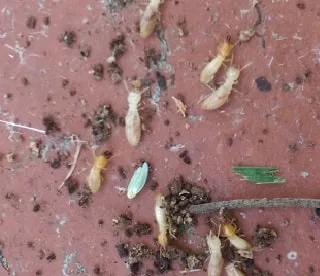
A termite bait station holds a cellulose-based food that termites prefer over the timber in your home. Once they are feeding, the bait is dosed with an insect growth regulator that stops the termites shedding and replacing their skin. The termites pass the bait colony-wide through their normal grooming and feeding, which leads to the gradual death of the entire nest — usually over four to five months. Here is how it unfolds, stage by stage.
The Luring Stage
In-ground and above-ground stations are installed around your property, each holding a cellulose-based timber bait. Termites are drawn to chew on anything containing cellulose, so they begin feeding on the stations rather than the timber in your home.
The Growth Regulator Goes In
Once the stations start attracting activity, an insect growth regulator is added to the bait. The active ingredient interferes with a termite's ability to produce new chitin — the material their exoskeleton is made of — so they can no longer shed and replace their skin.
The Colony Collapses
Foraging workers carry the bait back through the nest, passing it on through grooming and feeding until the whole colony is contaminated. Because the bait acts slowly, the termites never associate it with the deaths, so they keep feeding. The entire colony — queen included — is eliminated, typically over four to five months.
Termite Monitoring Systems
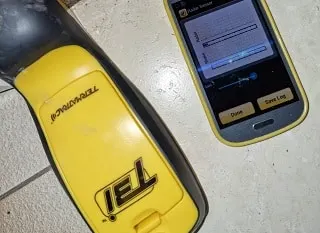
A termite infestation is nearly impossible to spot until the damage is done. A monitoring system removes the guesswork: technicians set discreet termite bait stations into the ground around your property, each holding a piece of timber under ideal feeding conditions, so any active colony is detected early rather than after it reaches your home.
Our technicians inspect the monitors roughly every ten to twelve weeks. When termites are found feeding on a station, chemical bait is introduced and the same colony-elimination process takes over. We recommend installing monitors alongside your regular termite inspection — especially if you have had termite activity before, live in a high-risk area, or your neighbours have recently dealt with the problem.
Monitoring vs. treating the soil alone
A liquid termiticide — a chemical barrier — is highly effective at stopping new termites entering through the foundations, but it cannot cure a live colony already inside a structure. Monitoring stations do exactly that: they locate and help exterminate a hidden, active nest without tearing up your property. The two work best in combination — see our chemical termite barriers and physical termite barriers for the barrier side of a complete plan. Like every Protech treatment, the monitoring stations and baits are eco-friendly and safe around children and pets.
Termite Baiting Systems We Install
There is no single best termite baiting system — the right one depends on your construction type, the soil and surfaces around the building, and whether you are treating an active infestation or protecting against a future one. Protech is trained and certified across every major system, so our technicians recommend the most effective option for your property after a full inspection.
Sentricon Always Active
A complete, always-active system that protects the whole home with no additional liquid termiticide. The bait affects termites slowly rather than killing them on contact, giving them time to recruit other colony members to feed — so the growth regulator spreads through the nest before the colony realises anything is wrong.
- No trenching or drilling required inside or outside the property
- Works 24/7, 365 days a year — safe for properties with wells
- Can be retrofitted to homes that already have another system
- Transferable to a new owner with no transfer fee if you sell
- The only termite system to win the Presidential Green Chemistry Challenge Award
Nemesis
Nemesis in-ground and above-ground stations are placed around the property holding a chlorfluazuron bait that acts as an insect growth regulator. It stops termites shedding their exoskeleton and keeps them returning to the stations, so the bait is carried back for the queen to feed on. Once the queen dies the colony's breeding stalls and the remaining termites cannibalise the dead — ingesting still more of the bait.
- Far less invasive than traditional whole-of-soil chemical treatments
- Visible stations you can check on alongside your technician
- Targets only the termite colony — harmless to other insects and animals
- The active ingredient is less toxic than table salt
Agenda
Bayer's system uses on-ground and in-ground stations baited from a pre-mixed foil pouch once activity is confirmed. On-ground stations sit against walls, over cracks and in garden beds where foraging termites are likely to find them; in-ground stations — the approved standard for over 15 years — are tucked discreetly around the garden. Each station holds two timbers (Tasmanian oak and Radiata pine) to maximise the feeding surface.
- On-ground stations need no digging or drilling and can be repositioned
- UV-stable, concrete-grey stations blend into the environment
- Two timber types per station attract more termites at once
- Bait can also be introduced directly into affected sheds, fences and retaining walls
Trelona ATBS
BASF's Advance Termite Bait System (ATBS) controls a colony with a smaller dose than other systems thanks to its active ingredient, Novaluron, and its highly palatable Puri-Cell cellulose matrix. Stations are installed at roughly three-metre spacings and run as either an Active Monitoring (AMS) or an Active on Application (AoA) system, so the plan is tailored to your property's risk. The large, durable stations are pre-assembled — no mixing or lengthy install — and hold enough bait to take down multiple colonies.
- Lower bait dose needed to control the whole colony
- Active Monitoring (AMS) or Active on Application (AoA) installation to suit the site
- The only bait system designed to work alongside the Termidor range for combined protection
- Quick-lock covers keep curious children and pets out
Why Choose Baiting
- It eliminates the whole colony. Unlike a spray or dust that only kills the termites it touches, baiting reaches the queen and the nest, so the colony is destroyed at the source.
- Early awareness. Monitoring stations flag termite activity before it reaches your home, turning a hidden threat into something you can see and act on.
- Minimal disruption. Stations are installed without trenching or drilling through your floors, so there is no major upheaval to your property.
- Targeted and low-toxicity. The baits affect termites specifically and are safe around children, pets and other wildlife.
- Budget-friendly and ongoing. Baiting is a cost-effective treatment that doubles as long-term, monitored protection — with guaranteed support from our technicians whenever you need it.
If you suspect termites, the safest first step is to leave them undisturbed and book an inspection. Spraying or disturbing an active colony only drives it into hiding and makes it harder to treat. Pair baiting with a thorough building and pest inspection to map the full extent of any activity before treatment begins.
Why Choose Protech Pest Control for Termite Baiting in Melbourne?
Protech Pest Control has been protecting Melbourne homes and businesses since 2001, with a team carrying over 40 years of combined experience. Every technician is trained and certified to recognise termite behaviour and to install and service each of the major bait and monitoring systems.
- 40+ years of combined experience in Melbourne termite management
- Certified across Sentricon, Nemesis, Agenda and Trelona ATBS
- Licensed, insured and accredited technicians (HACCP, NPMA, AEPMA)
- Eco-friendly baits safe for children and pets
- Same-day inspections available across Melbourne
- Free, no-obligation quote
- 100% satisfaction guarantee
- 4.8★ from 411 Google reviews
To arrange a termite inspection or talk through the right bait system for your property, call Protech on 03 9449 4244 or request a free quote.
Frequently Asked Questions
What is termite baiting and how does it work?
Termite baiting places feeding stations in and around your property, each filled with a cellulose bait laced with an insect growth regulator. Foraging termites feed on the bait in preference to your timber and carry it back through the nest, passing it on by grooming and feeding. The growth regulator stops the termites moulting, so the whole colony — the queen included — is eliminated rather than just the termites you can see. The process is gradual, usually taking four to five months.
How long does termite baiting take to eliminate a colony?
It depends on the species, the time of year, the size of the colony and how quickly the termites find and feed on the stations. Under ideal conditions a colony can be knocked down in as little as six to twelve weeks, but four to five months is a more typical timeframe. Baiting trades a little time for a complete result: the entire colony is destroyed, right down to the termites you never see.
Is termite baiting better than a chemical or physical barrier?
They do different jobs. Baiting eliminates an active colony at its source, including the queen, whereas a chemical or physical barrier is designed to block or deter termites from entering in the first place. A barrier cannot cure a colony that is already active inside a structure, so the two approaches are often used together. After an inspection our technicians will recommend the right mix. Our <a href="/termite-barrier-vs-baiting/">barriers compared with baiting</a> guide walks through the choice, and <a href="/pest-library/subterranean-termite/">subterranean termites</a> are the species both approaches target.
Are termite baits safe around children and pets?
Yes. The baits and growth regulators used in these systems are eco-friendly and target termites specifically — Nemesis bait, for example, is less toxic than table salt. Stations are fitted with lock-down or quick-lock covers and are placed so they are inaccessible to children and pets. If you have a specific health concern, your technician is happy to talk it through.
How often are the bait and monitoring stations checked?
Active above-ground stations are checked frequently — often every two to three weeks — while in-ground monitoring stations are usually inspected every eight to twelve weeks. The interval also shifts with the season: stations are checked more often through the warmer months when termites are most active, and less often over the cooler months.
Which baiting system is best for my home?
There is no single best system — the right choice depends on your construction type, the surrounding soil and surfaces, and whether you have a live infestation or want ongoing protection. We install Sentricon, Nemesis, Agenda and Trelona ATBS, and recommend the most suitable one after inspecting your property.
Can a baiting system be installed if I already have one?
Yes. Sentricon Always Active, for example, can be retrofitted to a property that already has another system fitted, and many owners find it performs better. Our technicians will assess what is already in the ground before recommending the best path forward.
Do in-ground bait stations attract termites to my property?
No. The stations hold timber and the bait is only added once termites have already found and infested a station. They are positioned to intercept termites that are already foraging for new food sources nearby — they do not draw termites in from elsewhere.
Client Testimonials
I couldn’t have been happier with my dealings with this company. From the first call Jade was helpful and couldn’t have done more to make the inspection run smoother. I would highly recommend this company.
– Paul DavidsonLearn More About Pest Solutions
Same-day service, eco-friendly treatments and a pest-free guarantee. Domestic & commercial — all Melbourne suburbs.