

Mosquito Control Melbourne
Targeted mosquito treatment across Melbourne — certified technicians, source reduction, same-day service.
Mosquito Control Services in Melbourne
Mosquitoes are more than a warm-weather nuisance. In Melbourne they can breed in quantities that make the backyard genuinely uncomfortable, and several local species are capable of transmitting viruses to humans and animals. Once a breeding source establishes itself on or near a property, populations can grow fast — a complete egg-to-adult lifecycle takes as little as 10 days.
Protech Pest Control has been treating mosquito problems across Melbourne since 2001. Our licensed technicians identify breeding sites, apply targeted larvicide and adulticide treatments, and advise on the structural and environmental steps that keep them from returning. The work goes well beyond a surface spray.
If mosquitoes are affecting your home, yard, or commercial premises, call 03 9449 4244 for a free quote.
How to Identify a Mosquito
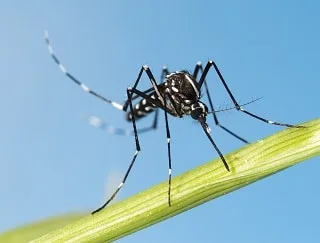
There are around 300 mosquito species recorded in Australia, and a handful are common in the Melbourne metro area. Knowing what you're dealing with matters because some species bite outdoors at dawn and dusk, others will enter homes and bite at any hour, and their preferred breeding habitats differ too.
- Slender body, typically 5–15 mm long, with long fragile legs and a single pair of narrow wings.
- A distinctive long proboscis (piercing mouthpart) that projects forward from the head.
- Covered in fine scales that give a mottled grey, brown, or black appearance depending on species; some have pale banding on the legs or abdomen.
- A pronounced hump at the thorax when viewed from the side.
- Males have feathery, bushy antennae; female antennae are thinner and less prominent.
- At rest, some species hold the body at a characteristic angled posture with the rear end raised.
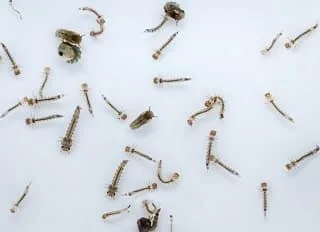
The larvae (wrigglers) and pupae are aquatic and visible in stagnant water as comma-shaped or tumbling forms. Spotting larvae is often the clearest sign that breeding is occurring on your property.
Where Mosquitoes Breed in Melbourne Homes and Gardens
Standing water is the single most important factor in a mosquito problem. Females lay their eggs at the water surface or on soil that floods intermittently, and the larvae are entirely aquatic until they emerge as adults. In a Melbourne residential setting, breeding sources are almost always close to the property.
Common breeding sites our technicians find include: pot plant saucers, blocked or slow-draining gutters, old tyres, tarps and covers that collect rainwater, bird baths left unchanged for more than a week, ornamental ponds without fish or circulation, sub-floor areas with pooled water, and any low-lying section of garden that stays boggy. Rainwater tanks with unsealed lids or unscreened overflow pipes are a consistent source in older Melbourne properties.
Melbourne's pattern of warm springs followed by humid summers creates conditions where populations build through October–April. The urban green belt — wetlands along the Yarra, the bay shore, parks with water features — provides additional source populations that move into suburban gardens. A property backed by a reserve or creek is particularly likely to see seasonal pressure.
Health Risks and the Nuisance of Mosquito Bites
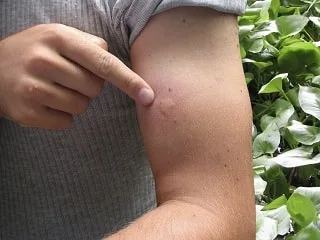
A mosquito bite causes an immune reaction — the itching, redness, and swelling familiar to everyone. For most people the reaction is temporary, but repeated bites over a season are genuinely disruptive to outdoor living and to sleep.
Several mosquito species present in Victoria are capable of transmitting arboviruses to humans. Ross River virus and Barmah Forest virus are the most commonly reported in the state, with symptoms that can include joint pain, fatigue, and rash. Murray Valley encephalitis and Kunjin virus are rarer but more serious. The Victorian Government and Australian Department of Health recommend reducing exposure, particularly around wetland areas and during peak activity periods.
Mosquitoes also transmit heartworm to dogs and cats, making them a concern for pet owners even when human bite rates seem manageable. Call 03 9449 4244 to discuss your situation.
Mosquito Facts
- Only female mosquitoes bite — they need a blood meal to develop their eggs. Males feed on nectar and plant sugars.
- Mosquitoes flap their wings around 500 times per second, producing the familiar high-pitched whine.
- Their lifecycle from egg to adult takes as little as 10 days in warm weather, which is why populations can build up quickly over a Melbourne summer.
- A female can lay eggs in as little as a teaspoon of water — saucers under pot plants, blocked gutters, and forgotten buckets are all viable breeding spots.
- Mosquitoes are attracted to warmth, carbon dioxide, and certain body odours, which is why some people seem to attract more bites than others.
- Mosquitoes are among the oldest insects; fossil evidence places them in the Triassic period.
Signs of a Mosquito Problem
- Persistent high-pitched whine: A constant thin buzzing sound, especially at night, is a reliable sign of adults on the wing. When it's coming from multiple directions, numbers are building.
- Bites that increase day by day: A bite here and there is normal in summer. A pattern of multiple daily bites — especially indoors — suggests a nearby breeding source rather than incidental exposure.
- Wrigglers in standing water: Mosquito larvae are visible with the naked eye. Check pot-plant saucers, bird baths, and water features for small comma-shaped organisms moving near the surface.
- Adults resting during the day: Mosquitoes sheltering in dark, humid spots — under decking, in dense shrubs, inside sheds — suggest the population is large enough that resting harborage is in demand.
- Activity around specific areas of the garden: If bites are concentrated near a particular bed, tree, or corner of the yard, there is likely a breeding source very close by.
Source Reduction and Prevention Around the Home
Professional treatment is far more effective when the obvious breeding sources have been addressed first. These are the steps that make the biggest difference for a Melbourne residential property.
- Eliminate standing water weekly: Empty pot-plant saucers, bird baths, and any container that collects rainwater. Even a small amount of water left for more than a week can support breeding.
- Keep gutters clear and flowing: Blocked gutters are one of the most productive breeding sites on a property and one of the easiest to miss. A twice-yearly clean — before and after autumn leaf fall — removes a major source.
- Cover water storage: Rainwater tanks should have a tight-fitting, well-sealed lid and a screened overflow pipe. Water butts without lids are common breeding points.
- Address sub-floor moisture: Properties with damp sub-floor areas, particularly those near creeks or with clay soils that hold water, can harbour breeding under the house. Subfloor ventilation is one of Protech's services if this is an issue.
- Fit insect screens: Good-quality screens on windows and doors significantly reduce indoor exposure. Check existing screens for tears and gaps, particularly around the edges.
- Introduce natural predators in ponds: Goldfish or native fish species will consume larvae in ornamental ponds. Ponds with good aquatic plant coverage and adequate fish stocking rarely produce mosquitoes.
- Maintain pools and water features: Stagnant, unchlorinated, or algae-laden water in a pool that's not in use through winter is a significant source. Keep the pump running or treat with a registered larvicide during extended periods of non-use.
Protech's Mosquito Treatment Methods
- Larvicide treatment: Applied directly to identified breeding water bodies, larvicide kills larvae before they develop into adults. Protech uses biological and chemical larvicides registered with the APVMA, matched to the type and scale of the water source. This is the most targeted approach and the foundation of any effective program.
- Microbial larvicide: Bacillus thuringiensis israelensis (Bti) is a naturally occurring bacterium toxic to mosquito and midge larvae. It degrades quickly in the environment and is an appropriate choice where fish, frogs, or other aquatic life are present.
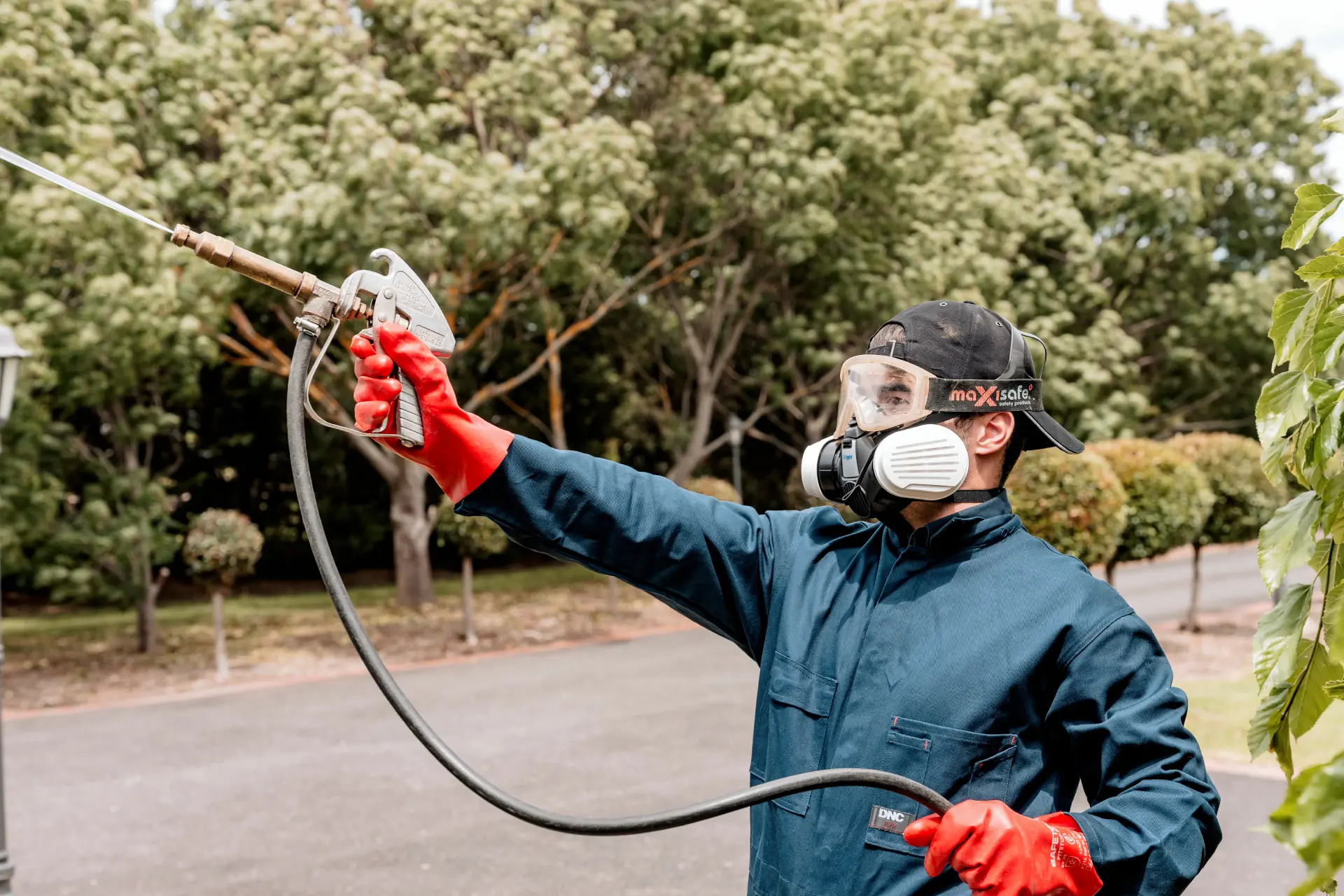
- Adulticide perimeter spray: A residual spray applied to resting sites — dense vegetation, fence lines, underdecking, and shaded garden beds — reduces adult populations on and around the property. Applied at low-label rates using equipment that puts product where adults actually rest.
- Insect Growth Regulators (IGR): IGRs prevent larvae from maturing into adults and interrupt the breeding cycle without the same environmental impact as conventional insecticides. Used in combination with other methods for sustained control.
- Physical and environmental modifications: Our technicians advise on drainage improvements, gutter maintenance, sub-floor issues, and structural measures that remove conditions conducive to breeding. These changes reduce ongoing treatment demand.
All treatment programs are tailored to the property after inspection. Call 03 9449 4244 to arrange yours.
Mosquito Season in Melbourne
Melbourne's seasonal pattern means mosquito pressure is not uniform year-round. Adult activity peaks through summer (December–February), but the breeding season actually begins in spring — September and October — when warming temperatures start accelerating larval development. Autumn (March–April) brings a second surge as the last summer rains create fresh standing water.
Properties that run a preventive treatment program from October through April, combined with regular source-reduction maintenance, see significantly lower adult populations by midsummer. A reactive approach — treating once a swarm of adults is already present — is less effective because the breeding cycle is already well advanced by the time adults are noticed.
Commercial properties, hospitality venues, and outdoor entertainment areas typically need a more structured seasonal program given the higher sensitivity to guest experience and, in some cases, HACCP compliance requirements. Protech holds HACCP accreditation and is familiar with the documentation requirements.

Why Choose Protech Pest Control for Mosquito Treatment in Melbourne?
Protech has been operating in Melbourne since 2001. Our technicians carry full licensing, insurance, and industry accreditation — HACCP, NPMA, and AEPMA — and our treatments use only products registered with the APVMA as safe around children and pets when applied as directed.
- 40+ years of combined team experience in pest management
- Licensed, insured, and accredited technicians
- Eco-friendly, APVMA-registered products safe for children and pets
- Same-day service available across Melbourne
- 100% satisfaction guarantee
- Free no-obligation quotes
- HACCP / NPMA / AEPMA accredited — available for commercial programs and compliance documentation
- 4.8★ from 405 Google reviews
Frequently Asked Questions
When is mosquito season in Melbourne?
Spring and autumn are the peak breeding seasons in Melbourne, as mosquitoes favour the warmth and moisture of those months. Activity is highest from October through to April, which is why preventive treatments starting in spring are the most effective approach.
What diseases can Melbourne mosquitoes carry?
Several mosquito species found in Victoria can carry Ross River virus, Barmah Forest virus, Kunjin virus, and Murray Valley encephalitis virus. The risk varies by season and location, particularly around wetlands and coastal areas. If you develop joint pain, fatigue, or a rash after being bitten, see a doctor.
Can the treatment products harm my family or pets?
Protech uses only registered, eco-friendly products applied by licensed technicians. Treated areas are safe for children and pets once dry. Our team will give you specific re-entry guidance after any treatment.
What can I do at home to reduce mosquito numbers?
The most effective step is eliminating standing water — empty saucers, buckets, and bird baths regularly, clean gutters, and cover rainwater tanks. Even small amounts of stagnant water are enough for breeding. Insect screens and door seals also reduce indoor entry.
What does IGR mean?
IGR stands for Insect Growth Regulator — a larvicide that prevents mosquito larvae from maturing into adults. It is one of the targeted tools Protech technicians use in breeding-site treatments.
How many treatments will I need?
That depends on the severity and the source of the infestation. After a thorough inspection, your technician will recommend a treatment program. A free, no-obligation quote is provided before any work begins.
Client Testimonials
I highly recommend Protech Pest Control to others. I experienced a professional service from start to finish, also very friendly & helpful customer service, answering all of my questions I had. I will definitely recommend Protech!
– V BeautystudioLearn More About Pest Solutions
Same-day service, eco-friendly treatments and a pest-free guarantee. Domestic & commercial — all Melbourne suburbs.