
Termite Barrier vs Baiting
How chemical and physical barriers compare with baiting systems — and how to choose the right protection for your Melbourne home.
Termite Barrier vs Baiting in Melbourne
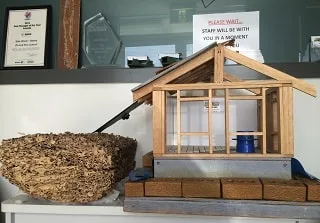
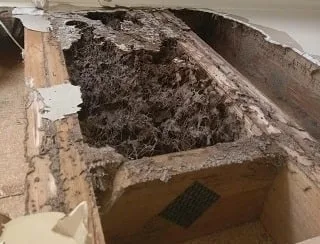
One in every three Australian homes is at risk of a termite attack, and termites quietly cause more damage to our houses than fire, storm and flood combined. When a Melbourne homeowner starts looking for protection, the choice almost always comes down to two families of treatment: a termite barrier or a termite baiting system. They are built to do genuinely different jobs, and choosing the right one begins with understanding that difference.
A termite barrier is a preventive treatment. It creates a continuous zone of protection around, and often beneath, a building so that subterranean termites cannot reach the structure in the first place. A termite baiting system works the other way around: it locates an active colony and destroys it at the source, the queen included, using feeding stations that the termites carry back through the nest.
This guide walks through how each method works, where each one is strongest, what they cost in Melbourne, how long they last and when combining the two is the wiser move. Protech has been protecting Melbourne homes against termites since 2001, and for a free, no-obligation quote covering which approach suits your property, call us on 03 9449 4244.
The Short Answer
If you want the quick version, it comes down to what your property needs right now. A barrier is the right choice when you are protecting a home that does not currently have termites, and it is the standard fit for a new build where a physical membrane can be laid before the slab is poured. Baiting is the right choice when termites are already active, when trenching for a chemical barrier is impractical, or when you want an early-warning system monitoring a high-risk site.
For many Melbourne homes the most reliable answer is not one or the other. A barrier blocks the ways in and a baiting system finds and finishes any colony that does turn up, so running the two together gives a property the most complete, long-term protection. The sections below explain why, and the comparison table sets the two methods side by side across every decision factor that matters.
How a Termite Barrier Works
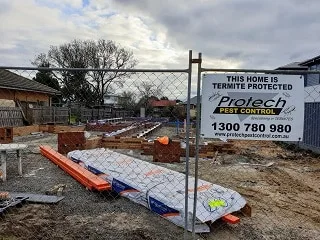
A termite barrier surrounds a building with a continuous line of protection that termites cannot cross. There are two families. A chemical barrier is created by treating the soil around the footings with a termiticide, forming a treated zone that termites cannot pass through. The modern standard is a non-repellent product such as Termidor, which termites cannot detect in the soil — they walk straight through the treated zone, become carriers and transfer the active ingredient back through the colony.
A physical barrier uses sheets, membranes, stainless-steel meshes, collars and treated foams built into the construction to seal the concealed routes termites use to get in. Systems such as Biofilm, HomeGuard, TERM-seal and Greenzone are laid during a new build, several of them doubling as a moisture barrier or an expansion-joint filler at the same time.
A well-installed barrier of either kind does more than keep termites out. It forces any termites that do try to get in to build their entry tracks over the barrier, out in the open, so their activity is visible rather than hidden inside a wall. Our full guide to chemical and physical termite barriers covers each system in detail.
How Termite Baiting Works
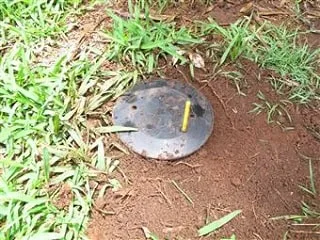
A baiting system places feeding stations in and around a property, each holding a cellulose-based bait that termites prefer over the timber in your home. Once foraging termites are feeding, the bait is dosed with an insect growth regulator that stops them shedding and replacing their exoskeleton. The workers carry the bait back through the nest, passing it on by grooming and feeding, so the whole colony is gradually eliminated — the queen along with it.
Because the bait acts slowly, the termites never associate it with the deaths and keep feeding, which is what lets it reach right through to the nest. In-ground stations double as a monitoring system, catching foraging termites as an early-warning long before they reach your timber. Colony elimination usually takes four to five months, and the stations stay in place to keep watching afterwards.
Protech installs the Sentricon, Agenda and Trelona ATBS bait systems. Our termite baiting and monitoring page explains how each system differs.
Termite Barrier vs Baiting: Side by Side
Every decision factor that matters, compared across the two methods. Cost figures are typical Melbourne ranges — your quote depends on the size of the building, the soil and the access around it.
| Factor | Termite Barrier | Termite Baiting |
|---|---|---|
| What it does | Blocks or deters termites from entering the building at all | Finds an active colony and destroys it at the source, queen included |
| Best suited to | Prevention — protecting a home that has no current infestation | An active infestation, or high-risk sites that need ongoing monitoring |
| When it goes in | Chemical: any time by trenching; physical: ideally during a new build before the slab is poured | Any time — stations are installed around an existing home with no construction work |
| Disruption to the property | Chemical means trenching around the footings; physical retrofits are invasive | Minimal — stations are set into the ground, no trenching or drilling through floors |
| Time to protection | Immediate once the treated zone or membrane is complete | Gradual — a colony is usually eliminated over four to five months |
| Kills an existing colony | No — a barrier keeps termites out, it does not cure a nest already active inside | Yes — this is what baiting is built to do |
| Early warning | A well-installed barrier forces any entry into the open where it is visible | Monitoring stations flag foraging termites before they reach your timber |
| Typical Melbourne cost | Higher upfront, lower ongoing — priced per property after a termite inspection | Lower upfront, higher ongoing servicing — priced per property after a termite inspection |
| Ongoing servicing | Annual inspection; a soil barrier needs its chemical replenished over several years | Regular station checks plus annual inspection — a higher ongoing commitment |
| Longevity | Chemical zones last several years before top-up; physical membranes are rated up to 50 years | Continuous while the system is serviced — protection lasts as long as monitoring does |
| Warranty | Product warranties up to 50 years and cover up to $2 million on accredited installs | Damage warranties available on compliant properties that are professionally installed and serviced |
The Pros and Cons of Each
Termite Barrier
Strengths
- Protects the home the moment it is installed, with no waiting period.
- Low ongoing effort — a chemical zone needs only a periodic top-up, and physical membranes are rated for decades.
- The standard, compliant way to protect a new build under AS 3660.
- Physical systems often double as a moisture barrier or expansion-joint filler in one install.
Trade-offs
- Cannot cure a colony that is already active inside the structure.
- A chemical barrier means trenching around the footings; retrofitting a physical barrier is disruptive.
- A repellent chemical barrier depends on even, gap-free coverage to work.
Termite Baiting
Strengths
- Destroys the entire colony at its source, the queen included.
- Stations double as an early-warning monitor around the property.
- Minimal disruption — no trenching or drilling through your floors.
- Targeted and low-toxicity, and workable on sites where a chemical barrier is not.
Trade-offs
- Works gradually — colony elimination usually takes four to five months.
- Higher ongoing commitment, with stations needing regular checks.
- Depends on foraging termites finding and feeding on the stations.
When to Choose Which
The right method turns on whether you are preventing or curing, the construction and soil, the access around the building, and your budget. Here is the quick sort.
Choose a barrier when…
Choose baiting when…
- You have found live termites and need the colony destroyed rather than just blocked.
- Trenching is impractical because of paving, decking, tight access or the construction type.
- You want a monitored, early-warning system around a high-risk or previously infested home.
- You prefer a low-disruption install with no trenching or drilling through your floors.
- The site is environmentally sensitive and a whole-of-soil chemical treatment is unsuitable.
New build or existing home?
The single biggest factor is often the stage the property is at. In a new build, a physical barrier is the natural fit because the membranes and collars can be laid before the slab is poured, sealing every pipe penetration while the site is open. New homes in Victoria also have to meet the termite-protection requirements of the Building Code of Australia and Australian Standard AS 3660, and a compliant barrier is the usual way to satisfy that. For an existing home with no active termites, a chemical barrier installed by trenching around the footings, or a monitoring and baiting system set into the ground, are both straightforward retrofits that leave the property largely undisturbed.
Soil and site conditions
A chemical soil barrier works best where the ground around the footings is even and workable, letting the technician build a continuous, level treated zone. Where the perimeter is broken up by paving, decking, tight side access or an awkward construction, trenching becomes impractical and a baiting system is often the more sensible route because the stations can be placed to intercept foraging termites without disturbing hard surfaces. On environmentally sensitive sites, baiting also avoids treating the whole soil profile with chemical.
Budget over the long run
Comparing the two on the sticker price alone is misleading. A barrier costs more to install but asks little afterwards, while baiting can install for less yet carries a steady servicing cost for as long as the stations stay in the ground. The honest comparison is the total over several years, and that is exactly the sum our technicians work through with you at the inspection.
What Each Costs in Melbourne
Every property is different, so the real cost turns on the size of the building, the length of the perimeter and the access around it — which is why we price each job after an on-site termite inspection rather than quoting a figure sight unseen. A chemical soil barrier is priced against the perimeter to be treated; a physical barrier is priced against the specific build, since it is installed as part of the construction; and a baiting and monitoring system is priced on the install plus the ongoing servicing that continues for as long as the stations are in place.
The figure that catches people out is the ongoing cost. A soil barrier needs its chemical replenished only every several years — and a reticulation pipe installed at the outset makes that top-up quick and cheap. A baiting system, by contrast, needs its stations checked regularly, so the running cost is higher over time even though the upfront price can look lower. Annual inspections, which every method needs, carry their own modest yearly cost.
The most accurate way to compare the real cost of each for your home is an on-site termite inspection, where we can measure the perimeter, read the soil and access, and price both options honestly. Call Protech on 03 9449 4244 or request a free quote.
Longevity and Warranty
The two methods age differently. A chemical soil barrier holds its protection for several years before the soil needs replenishing, and a reticulation system keeps that top-up simple. Physical barrier systems are built to last far longer — Biofilm, HomeGuard and TERM-seal are rated for service lives of fifty years and beyond — because the membrane is a permanent part of the building. A baiting system protects continuously for as long as it is serviced, so its longevity is really a question of keeping the monitoring going rather than a fixed lifespan.
Warranties follow the same pattern. Several barrier systems carry substantial product warranties — Greenzone up to two million dollars, HomeGuard a million-dollar FMC warranty, TERM-seal up to a fifty-year product warranty on its perimeter and penetration systems, and Biofilm cover for repair and replacement up to $250,000 per claim. On the baiting side, damage warranties are available on compliant properties that are professionally installed and serviced. Every one of these warranties, whichever method it covers, is conditional on installation by an accredited operator and an annual inspection by a qualified technician, both of which Protech provides.
Why Many Homes Use Both
On a genuinely high-risk property, the most dependable arrangement is to run a barrier and a baiting system together, because each covers the other's blind spot. The barrier handles entry, sealing the concealed routes termites use to get into the building. The baiting and monitoring system handles the colony, catching foraging termites around the perimeter and destroying any nest that appears before it finds a way through.
This is the approach we most often recommend for homes in high-pressure areas, properties with a history of termite activity, or where a neighbour has recently had a problem. A barrier on its own is excellent prevention but cannot cure a live colony, and baiting on its own destroys a colony but does not physically block entry. Used together, and backed by regular building and pest inspections, they give a property protection that neither method delivers alone.
Our technicians work out the right combination after inspecting your home — the construction, the soil, the access and your risk level all feed into the recommendation. It is part of a complete termite control plan built around your property, not a template.
Explore Your Termite Options
Read up on each method, or book an inspection and we will recommend the right protection for your home.
Termite Control & Treatment
Inspection, treatment and long-term protection for active termite problems across Melbourne.
Termite Barriers
Chemical and physical barrier systems — Termidor, Biofilm, HomeGuard, TERM-seal and Greenzone.
Termite Baiting
In-ground bait and monitoring stations that eliminate the whole colony at the source.
Building & Pest Inspection
Thorough Termatrac inspections that confirm your protection is performing and catch activity early.
Why Choose Protech for Termite Protection in Melbourne?
Protech Pest Control has been protecting Melbourne homes and businesses against termites since 2001, with a team carrying over 40 years of combined experience. We install and service a wide range of barrier and bait systems, so our recommendation is never steered by the one product we happen to sell — it is the method, or the combination, that genuinely suits your property.
- 40+ years of combined experience in Melbourne termite management
- Accredited across Termidor, Biofilm, HomeGuard, TERM-seal, Greenzone, Sentricon, Agenda and Trelona ATBS
- Full compliance with Australian Standard AS 3660 for new construction
- Licensed, insured and accredited technicians (HACCP, NPMA, AEPMA)
- Environment-friendly products, safe around children and pets
- Free, no-obligation quote and honest, side-by-side pricing on both methods
- 4.8★ from 411 Google reviews — trusted across Melbourne since 2001
To talk through the right termite protection for your home, call Protech on 03 9449 4244 or request a free quote.
Frequently Asked Questions
Is termite baiting better than a barrier?
Neither is better in every situation — they do different jobs. A barrier keeps termites out of a building, so it is a prevention method, while baiting finds an active colony and destroys it at its source. If you have live termites, baiting is the appropriate response because a barrier cannot cure a nest that is already inside the structure. If you are protecting a home that has no current infestation, a barrier is usually the more direct choice. On a genuinely high-risk property, most owners are best served by combining a barrier with a monitoring and baiting system so that entry is blocked and any colony that does appear is caught and eliminated early.
Which is cheaper, a termite barrier or baiting?
It depends on the property, and the honest comparison is about upfront versus ongoing cost rather than a single figure. Baiting can look cheaper at the outset, but it carries a higher ongoing cost because the stations need regular checking and the annual servicing continues for as long as the system is in the ground. A chemical barrier usually costs more upfront yet needs less frequent attention, with a soil top-up due only every several years. The most accurate way to compare the two for your home is an on-site <a href="/termite-inspection/">termite inspection</a>, because the cost of either method turns on the size of the building, the soil and the access around it. Call Protech on 03 9449 4244 for a quote.
Can I have both a barrier and a baiting system?
Yes, and on a high-risk property it is the most dependable arrangement. A barrier blocks the concealed routes termites use to get into a building, and a baiting and monitoring system sits around the perimeter to catch any foraging colony and destroy it before it finds a way through. The two cover each other's blind spots — the barrier handles entry, the baiting handles a live colony — which is why our technicians often recommend running them together as part of a complete termite-management plan.
Does a termite barrier kill termites that are already in my house?
No. A chemical or physical barrier is designed to stop termites entering a building, not to cure a colony that is already active inside it. If termites are found in the structure, the colony has to be dealt with directly, which is where baiting or foaming come in. The usual sequence is to eliminate the active colony first and then install a barrier to keep the next one out. Our technicians assess which the property needs during the inspection.
How long does each method take to protect my home?
A barrier protects the property as soon as it is installed, because the treated soil zone or the membrane is complete on the day the work is finished. Baiting works more gradually — foraging termites have to find the stations, feed on the bait and carry it back through the nest, so a colony is typically eliminated over four to five months. That difference in timing is one of the main reasons the two methods suit different situations: a barrier for immediate prevention, baiting for the slower but complete destruction of a colony.
Do I still need annual inspections if I have a barrier or a baiting system?
Yes, in both cases. No barrier or bait system removes the need for a professional inspection at least every twelve months. Annual inspections confirm the protection is performing, catch conducive conditions such as moisture or timber-to-soil contact early, and are a condition of keeping the product warranties valid. We recommend booking a building and pest inspection alongside whichever system you choose.
Which method meets the Australian Standard for a new build?
New homes in Victoria must be protected against subterranean termites under the Building Code of Australia and Australian Standard AS 3660, and both a compliant chemical barrier and a physical barrier system can satisfy that requirement. Physical barriers are especially well suited to new construction because the membranes and collars are laid before the slab is poured. Our technicians install to AS 3660 for new builds and provide the paperwork councils and builders need.
Client Testimonials
Very happy with the service we received. The technician explained in much detail what was required to be done and made us feel that the right outcome would be achieved, which it was, much to our relief. Would highly recommend the company.
– Helen WilsonLearn More About Pest Solutions
Same-day service, eco-friendly treatments and a pest-free guarantee. Domestic & commercial — all Melbourne suburbs.