

Silverfish Control Melbourne
Guaranteed eco-friendly silverfish removal across Melbourne — certified technicians, same-day service.
Silverfish Pest Control & Removal Services in Melbourne
Silverfish are one of the most persistent household insects Melbourne homes have to deal with, and the local conditions suit them almost perfectly. Humid bathrooms, poorly ventilated subfloors under older weatherboard and brick houses, dark bookshelves and starchy pantry goods give a population everything it needs to establish and grow quietly for months.
Because silverfish are nocturnal and press themselves into tight crevices during the day, most people first notice the damage rather than the insect — irregular etching on a book spine, yellowish staining on wallpaper, or a quick silvery movement near a bathroom sink late at night. By the time silverfish are being seen in daylight, the harbourage areas are usually full and the population has grown well past a handful of individuals.
Protech Pest Control has been treating silverfish across Melbourne since 2001, and our team carries more than 40 years of combined experience. If you suspect an infestation in your home or business, the sensible first step is a professional inspection so the treatment reaches the harbourage zones rather than just the insects on the surface. For a detailed, cited overview of the insect itself, see our silverfish pest library guide, or call 03 9449 4244 to arrange a same-day inspection.
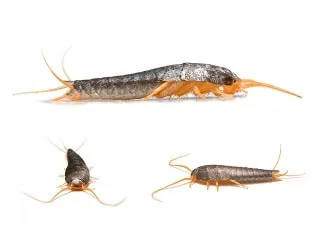
How to Identify a Silverfish?
- Grey or silvery in colour and shiny.
- Size varies between 10–12 mm long.
- They are wingless, with 6 legs and have 2 long antennas.
- They are tapered towards the end, rendering a tail-like look.
- They have a flat body along with 3 long appendages at the rear end.
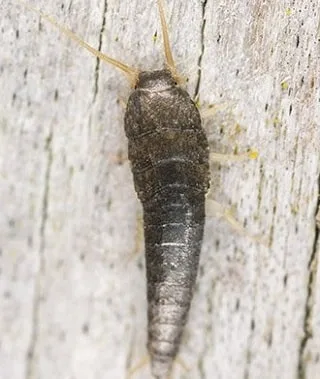
Where Do Silverfish Live?
Just like other pests, silverfish love damp, dark, and moist locations and are usually found in locations that suit their preference.
In your home or business premise, these damp and dark locations include attics, basements, bathrooms, kitchens, garages, and storerooms. Since they love munching on items containing complex sugars, they can often be found near books, paper, and food storage areas.
In addition, they are also known for their love for silk and cotton cloth, so be sure to look through your clothes and carpets for any signs of an infestation.
In a lot of Melbourne homes the real breeding zone sits below the floor. An unventilated subfloor traps moisture in the soil and timber, which creates a large, stable environment that suits silverfish, and individuals then travel upward at night through gaps around pipes and cracks in the flooring to colonise the rooms above. Where the subfloor is the source, improving subfloor ventilation is one of the most effective long-term measures alongside treatment.
If you do notice any signs, contact a control and removal expert today for a thorough inspection of your home or business premise.
The Silverfish Lifecycle & Why Spot Treatments Fail
Silverfish belong to the ancient insect order Zygentoma, a lineage that has existed for roughly 400 million years and has adapted to indoor life over that time. According to the Museums Victoria species record, the adult body reaches up to 2 centimetres in length and is covered in scales that shed very easily, which is part of what makes the insect so hard to grip and remove by hand.
Unlike most household insects, silverfish do not pass through a distinct larval or pupal stage. They hatch from the egg as a small, pale version of the adult and grow through a series of moults, keeping much the same shape throughout. They also keep moulting after reaching maturity, which is unusual among insects and one reason shed scales accumulate as a fine dust in the areas they frequent.
Egg-laying is opportunistic. Females deposit small numbers of eggs in cracks, under loose skirting boards and in the folds of stored paper, and the eggs are small enough that even a careful visual inspection misses most of them. Given adequate humidity a silverfish can live for several years, so an undetected population compounds steadily rather than dying off on its own. This slow, hidden lifecycle is exactly why surface sprays disappoint: the visible insects are only a fraction of the population, and the eggs and juveniles sitting in the harbourage crevices carry the infestation straight through a spot treatment.
Types of Silverfish in Melbourne That Invade Your Home & Business Premises
Common Silverfish
These insects are mostly found in dark moist hidden areas, such as your basement and kitchen. They are about 0.5–1 inch long, live for about 8–10 years, and are silver or grey in colour.
Grey Silverfish
As their name suggests, these insects are dark grey or grey in color and they live in small confined spaces such as bathroom pipes, basements, etc.
Firebrat
As compared to the other types of silverfish, the firebrat is a very different type of insect. It is yellow in color and prefers hot climates with the temperature higher than 37°C. Unlike other silverfish, it has a spotted appearance.
Jumping Bristletail
This type of insect is usually found outdoors, like in gardens, among pebbles, grass, or stones. They are silver in color and grow more than 0.5 inches.
Four-lined Silverfish
As their name describes, these insects have 3–4 lines on their stomach and are longer than the other type of silverfish. They too are found outdoors and prefer dry environments.
Bristletail
Although they belong to the insect family, they are mentioned among silverfish. This insect is found outdoor among rocks, decaying leaves, and wood, and has a humped appearance.
Facts About Silverfish
- They love munching on items containing complex sugars, including paper, clothing, carpets and glue. They also consume other animal and plant materials like leather, silk, and cotton.
- They are nocturnal, therefore, they like dark and secluded areas, making it harder to spot them during an inspection.
- They can survive for weeks without food but need a humid environment to thrive.
- Females lay eggs in cracks and crevices — a single female can lay up to 20 eggs per day.
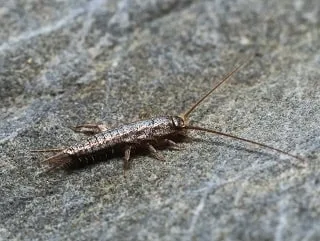
Harmful Effects of Silverfish on Human Life
Silverfish are attracted to food items, paper, albums, books, cloth, carpets, and glue, but it is also known to cause some damage to humans. No, they do not bite, however, their scales could trigger asthma attacks and allergic reactions on the skin for some individuals.
They can also cause an allergic reaction to any human that uses an infected cloth. If the infected food item is consumed by humans it can also cause illness. Their droppings can also cause skin rash and irritation. Victoria's Better Health Channel notes that household insects and their debris can aggravate asthma and allergies in sensitive people, so clearing a large population removes that organic material from the spaces where a household sleeps, eats and breathes.
Signs of a Silverfish Infestation
- Spotting a Live Specimen: Even though this sounds obvious, most people turn a blind eye to the issue even after spotting a live insect crawling around. Silverfish are quick and often seen at night near sinks and bathtubs.
- Droppings: Small black pepper-like droppings in cupboards, bookshelves, or along skirting boards.
- Yellow Stains or Scales: Yellow staining on paper or fabric, or tiny silvery scales left behind as they move.
- Damage to Paper & Fabric: Irregular holes or surface etchings on wallpaper, books, and clothing are a strong indicator of activity.
How to Control & Remove Silverfish from Your Home & Business Premises
Silverfish are fundamentally a humidity problem with a food problem layered on top, so the most effective prevention tackles both. These measures reduce the conditions that let a population sustain itself and make re-infestation harder after a professional treatment.
Once a population is established, professional pest control for silverfish treats the harbourage directly, and the measures below keep the result in place afterwards.
- Store Food Items in Sealed Containers: Decant flour, cereals, grains, dried fruit and pet food into airtight containers rather than leaving them in cardboard packaging. It keeps the food dry and sealed and out of reach of a silverfish infestation.
- Use Dehumidifiers in Humid Places: Since silverfish love humid climates, running a dehumidifier in persistently damp bathrooms, kitchens, laundries and basements removes the moisture they depend on.
- Vacuum Regularly: Vacuum carpets, bookshelves, and storage areas frequently to remove eggs and insects, and empty the vacuum into a sealed bag straight away.
- Seal Cracks and Crevices: Block entry points around pipes, skirting boards, and wall gaps to prevent movement between rooms and to remove the tight daytime harbourage silverfish rely on.
- Fix Leaks and Improve Ventilation: Repair dripping taps and pipes promptly, make sure bathroom exhaust fans vent to outside air, and improve subfloor ventilation where the underfloor space stays damp — the single highest-impact structural change for silverfish-prone Melbourne homes.
- Store Fabric and Paper Properly: Keep long-term woollen, linen and silk items in sealed bags or boxes, and avoid stacking cardboard, old magazines or paper against external or bathroom walls.
Why DIY Rarely Clears an Established Population
Supermarket silverfish baits and surface sprays work on the individual foraging insects they touch, but they rarely reach the harbourage zones where the population actually lives and breeds — the subfloor void, the wall cavities, the space behind built-in shelving. A spray run along a skirting board kills any insect that crosses that line and does nothing for the animals resting in the crevices a few centimetres behind the board, and the eggs tucked into those same crevices are unaffected entirely.
The nocturnal, crevice-dwelling habit means most of the population stays out of reach during any treatment a homeowner can carry out. Without treating the harbourage directly — a residual spray at the right dilution together with an insecticidal dust in the enclosed voids a liquid cannot penetrate — the surface population regenerates from the breeding core within weeks. On properties where the subfloor is involved, the living areas may quieten down for a short while after a DIY spray while the subfloor population continues to supply new individuals upward, which is why the problem keeps returning.
Our Professional Silverfish Treatment Process
Protech treats silverfish as a harbourage problem, so the process is built around finding and treating where the population lives rather than just where the damage shows.
- Inspection and identification: A technician inspects the property to work out where the population is living and what is sustaining it — checking the subfloor, roof space, bathroom and laundry walls, built-in cabinetry, and any storage areas with cardboard or paper. Correct identification and mapping of the moisture source and harbourage zones drives every decision that follows.
- Treatment plan and quote: We explain what was found, outline the treatment, expected results and any preparation you need to do, and provide a fixed-price quote before any work begins. No surprises.
- Harbourage treatment: The core of the work is a residual spray applied to the surfaces silverfish travel across, combined with insecticidal dust injected into wall voids, subfloor and other enclosed spaces where a liquid formulation would not penetrate. The dust reaches the parts of the population that never cross a treated surface, working to AEPMA best-practice standards.
- Structural and housekeeping advice: Where a damp subfloor is the breeding source, we discuss subfloor ventilation as a structural measure alongside the treatment, because treating the living areas while the subfloor moisture persists gives a slower, less durable result. You leave the visit with a clear picture of why the infestation developed and what to watch for.
- Guarantee and follow-up: Every treatment is backed by our pest-free guarantee — if silverfish return within the guarantee period, so do we, at no extra charge. Severe or subfloor-driven infestations may include a follow-up visit to confirm the result.
To arrange an inspection, call Protech on 03 9449 4244.
Preparing Your Home for a Silverfish Treatment
A little preparation before the technician arrives helps the treatment reach the areas that matter and keeps everyone safe during and after the visit.
- Clear the floors of affected rooms and empty the cupboards, wardrobes and under-sink areas the technician will need to reach.
- Move stored food, and pet food and water bowls, out of the areas being treated and store them sealed.
- Vacuum carpets, bookshelves and skirting boards beforehand to remove loose eggs, scales and debris.
- Take stored paper, cardboard boxes and long-term fabric out of cupboards so harbourage crevices can be treated.
- Plan to keep children and pets out of treated rooms until the surfaces have dried, as advised by your technician.
Silverfish Control & Removal Methods
- Pro-active Spray: Apply a silverfish control and removal treatment spray to the walls and flooring of your home or business space once every 30 days to get rid of any existing infestation and prevent future ones.
- Insecticidal Dust: Suitable for wall voids, roof spaces and sub-floor areas where silverfish hide and breed.
- Baits and Sticky Traps: Placed in high-activity areas to monitor and reduce populations over time.
- Professional Inspection & Treatment: A qualified technician will identify the species, locate harborage areas, and recommend the most effective program for your situation.
Get in touch with a professional from Protech Pest Control by calling 03 9449 4244.
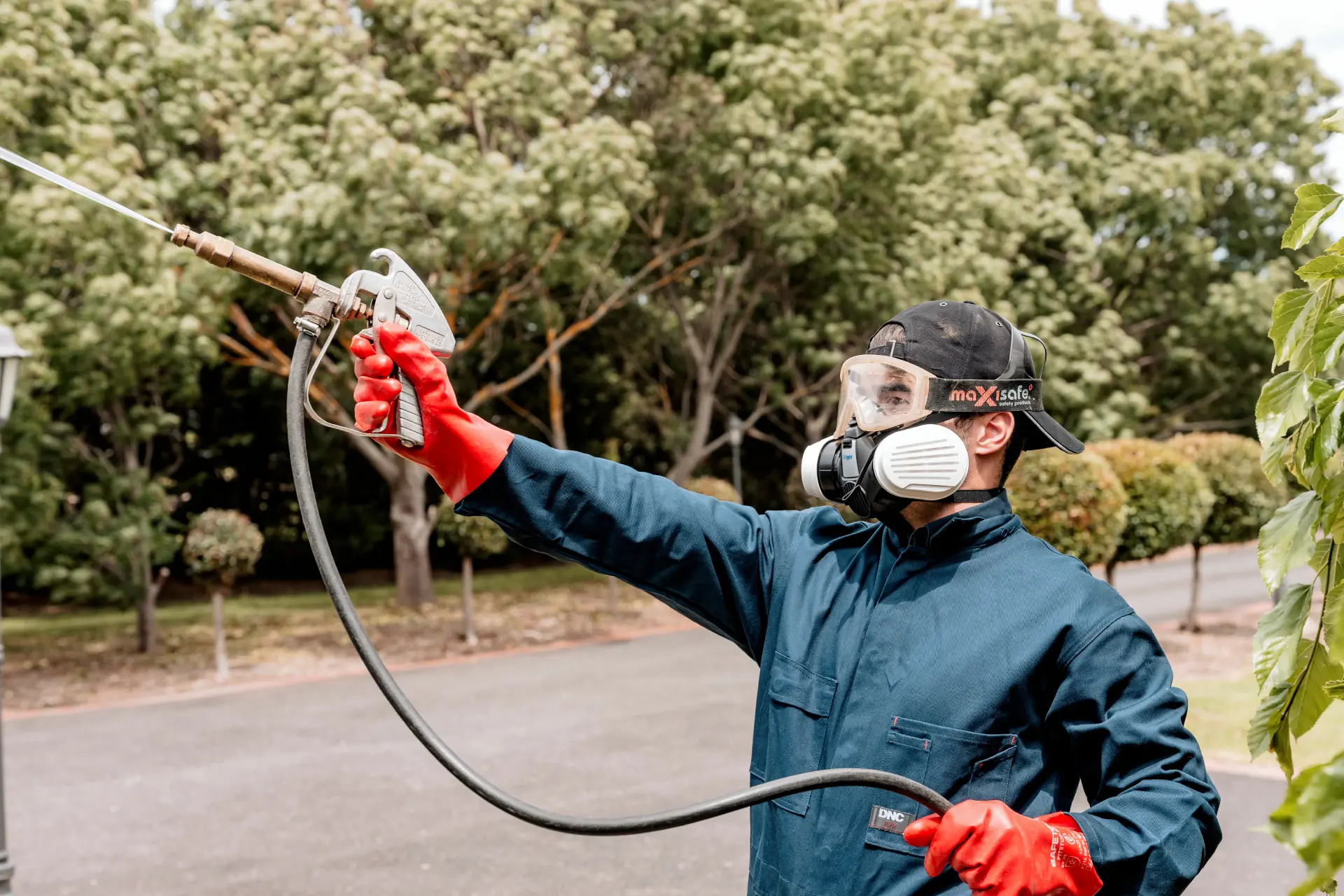
Why Protech Pest Control Melbourne for Removal Treatment and Control Service?
Protech Pest Control has been serving Melbourne homes and businesses since 2001, and our team carries more than 40 years of combined experience. We offer thorough inspections and eco-friendly pest control, and we treat silverfish at the harbourage source so the result lasts rather than fading after a few weeks.
- Trusted since 2001, with 40+ years of combined experience in Melbourne pest management
- Licensed, insured, and accredited technicians (HACCP, NPMA, AEPMA)
- Eco-friendly products safe for children and pets
- Same-day service available across Melbourne
- Pest-free guarantee — if they return, so do we
- Free quotes — no obligation
- 4.8★ from 411 Google reviews
Related Pest Control Services in Melbourne
Silverfish often turn up alongside other moisture-loving and fabric-damaging pests, and the underlying conditions overlap. If you are dealing with more than one problem, these services and guides may help:
- Subfloor ventilation — fixes the underfloor damp that drives silverfish, mould and timber pests in older Melbourne homes.
- Clothes moth control — the other main pest that damages stored woollen and natural-fibre clothing.
- Beetle control — carpet beetles cause similar irregular fabric damage and are often confused with silverfish activity.
- Cockroach control — another insect drawn to warm, humid kitchens and bathrooms.
- Building & pest inspection — recommended if silverfish damage or subfloor damp has you concerned about the condition of the timber and structure.
- Silverfish pest library guide — a fully cited overview of silverfish identification, biology and behaviour.
We treat silverfish for homes and commercial premises right across Melbourne. To book an inspection, request a free quote or call 03 9449 4244.
What Silverfish Treatment Costs in Melbourne
Silverfish treatments with Protech start from $154 and run up to around $660, both ex GST, depending on the size of the property and how far activity has spread through cupboards, wardrobes and roof voids. We give you a fixed price before any work starts, so the number you agree to is the number you pay. Our published price list for other treatments is on the pest control prices in Melbourne page.
The three-month guarantee
Every silverfish treatment carries a three-month guarantee. If silverfish return within that period, we come back and re-treat the affected areas at no charge, with no call-out fee for the return visit. The guarantee period goes on your paperwork at the time of booking, and the full schedule of guarantee terms across all our treatments is published on our guarantee page.
Frequently Asked Questions
Can Silverfish Harm Humans?
Silverfish do not bite and carry no venom, so they are not a direct health threat in the way that biting insects are. They shed scales and produce droppings continuously as they move through their harbourage areas, and for people with existing sensitivities to insect-derived proteins this fine organic debris can irritate the airways or aggravate allergic symptoms. Consuming food that has been contaminated by silverfish can also cause illness. For most Melbourne households the more pressing concern is the steady damage they do to paper, books, fabric and stored food.
How to Protect Your Home or Business Premise From Silverfish?
Vacuuming regularly, storing food items in sealed containers, eliminating any excess storage of paper, using dehumidifiers, baits like sticky traps and conducting regular inspections are a few ways to keep silverfish away. Because silverfish are fundamentally a humidity problem, fixing leaks and improving ventilation in bathrooms, laundries and subfloors does more to keep them out than any single product.
What Kind of Property Damage can These Insects Do?
From chewing on your wallpapers, photo albums, food items, cereal boxes, cotton cloths and silk cloths to ruining your carpet! They are known to cause a lot of damage to your property. The damage shows as irregular surface etching and yellowish staining rather than clean holes, which is why a book or a stored woollen garment can be significantly affected before anyone notices the insect itself.
How to Identify an Insect Infestation?
Look for any droppings, skin, yellow stain, nibbled paper items or cloth and live specimens. If you notice any one of these, there surely is an infestation. Live sightings during daylight, particularly around bathroom sinks and kitchen drains, usually mean the harbourage areas are already full and animals are being displaced from their hiding spots.
Is the Chemical Used Eco-friendly?
Yes, Protech Pest Control only uses eco-friendly products and treatments for their services that are safe to use around children and pets once they have dried. The materials we apply for silverfish are registered for indoor residential use in Australia, and your technician will explain any brief access restrictions before starting work.
How much does silverfish treatment cost in Melbourne?
The cost depends on the size of the property, which areas are affected, and whether the subfloor or roof space needs treating alongside the living areas. We give a free, fixed-price quote before any work begins, so there are no surprises. Call 03 9449 4244 or request a quote online and we will arrange a visit, most often the same day.
Why do silverfish keep coming back after I spray them?
Supermarket sprays and baits kill the individual insects that cross a treated line, but they rarely reach the harbourage zones where the population actually lives and breeds — the subfloor void, wall cavities and the space behind built-in shelving. Eggs tucked into those crevices are unaffected, so the surface population regenerates from the breeding core within weeks. Clearing an established infestation means treating the harbourage directly, which is what a professional treatment is set up to do.
Do silverfish come up from the subfloor?
In many Melbourne homes, yes. An unventilated subfloor gives silverfish a large, stable, humid breeding zone, and they travel upward at night through gaps around pipes and cracks in the flooring. Properties with persistent silverfish activity in ground-floor kitchens, laundries and hallways often have the primary breeding zone below the floor, which is why improving subfloor ventilation is one of the most effective long-term measures for these properties.
Do you guarantee the silverfish treatment?
Yes. Our silverfish treatment is backed by our pest-free guarantee: if silverfish return within the guarantee period, we come back and re-treat at no extra charge. The length of the guarantee period is confirmed in writing with your quote.
Client Testimonials
It not often that you come across such a professional and customer focused service. They took the time to explain why we had the issue, what needed to be done, and how to prevent it from happening again. Highly recommend Protech Pest Control.
– John ConnellLearn More About Pest Solutions
Same-day service, eco-friendly treatments and a pest-free guarantee. Domestic & commercial — all Melbourne suburbs.