

Wood Borer Control Melbourne
Licensed technicians treating timber borer infestations across Melbourne — protect your home's structural timber before the damage goes further.
Wood Borer Pest Control & Removal in Melbourne
Timber damage in a Melbourne home does not always come from termites. Wood borer beetles — and more accurately their larvae — are responsible for a significant amount of structural and cosmetic timber damage in Australian properties each year. Because the larvae feed silently inside the wood, an infestation can run for years before the characteristic exit holes or bore dust become visible on the surface.
Protech Pest Control has been treating wood borer infestations across Melbourne since 2001. Our technicians can identify the species involved, determine whether an infestation is active or old, and recommend a targeted treatment program that is appropriate for the timber and the lifecycle stage of the pest.
If you have found exit holes, powdery frass, or weakened timber in your home or business, call 03 9449 4244 for a free quote.
How to Identify Wood Borers
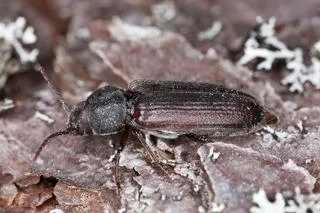
The adult beetles are rarely the first thing you see. The larval stage is where the damage occurs, and it happens entirely inside the timber. When adults do emerge, they leave behind the most recognisable signs of the pest.
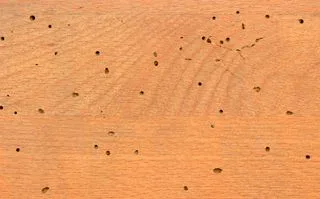
- Small round or oval exit holes in the surface of timber — typically 1–10 mm depending on the species.
- Fine powdery bore dust (frass) below exit holes or collected in tunnels — fresh frass is pale and loose; old frass is grey and compacted.
- A network of tunnels visible when infested timber is cut open or broken.
- Weakened, crumbly, or structurally compromised timber — floors, joists, or roof timbers that feel soft underfoot or flex unexpectedly.
- A blistered or raised surface on timber that has been tunnelled just below the outer layer.
- Visible eggs, larvae (pale, curved grubs), or adult beetles near timber surfaces during warm months.
Life Cycle and Behaviour
Wood borers are beetles, and like all beetles they pass through four life stages: egg, larva, pupa, and adult. The full cycle typically spans two to three years, with the larval stage accounting for the majority of that time — sometimes as long as two years for some species.
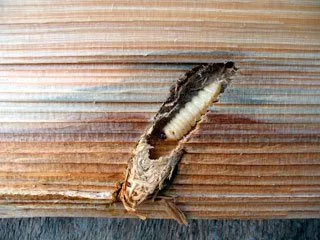
Adult females lay eggs in cracks, crevices, or old exit holes in susceptible timber. Once the eggs hatch, the larvae bore directly into the wood and begin feeding on the cellulose and sap within. They create a network of tunnels as they grow, gradually weakening the timber from the inside. As the larva approaches maturity it moves closer to the surface, pupates just beneath the outer layer, and then the adult beetle chews through to emerge — leaving behind the distinctive exit hole.
Adult beetles live for only a short time after emergence, but in that window they fly, mate, and lay eggs on fresh timber, beginning the cycle again. Warm, dry weather in the Melbourne summer months tends to coincide with peak adult emergence and egg-laying.
Common Wood Borer Species in Melbourne
Three borer species account for the bulk of residential and commercial timber damage in Melbourne. Each targets different timber types, which matters when selecting a treatment approach.
Powderpost Beetle (Lyctid Borer)
Targets the sapwood of seasoned hardwoods — oak, ash, and native Australian hardwoods used in flooring and furniture. Larvae are rarely seen; the first sign is usually a fine, talcum-like dust falling from small round holes. Active infestations can hollow out timber over several generations.
Common Furniture Beetle (Anobium Punctatum)
Prefers well-seasoned softwood and older timber — floorboards, roof joists, and antique furniture are common targets. It favours cool, slightly humid conditions, which makes sub-floor and roof-void timbers in Melbourne homes a regular host. Exit holes are roughly 1–2 mm across, with a characteristic gritty bore dust.
House Longhorn Beetle (Hylotrupes Bajulus)
One of the most structurally damaging species, with larvae that can feed inside softwood rafters and roof timbers for years without detection. Emergence from infested timber leaves larger oval exit holes (6–10 mm). Warm, sunny weather encourages adult flight, which is how infestations can spread to adjacent timbers.
Active Infestation or Old Damage?
One of the most common questions Protech technicians hear on a wood borer inspection is whether the damage is current. Old, inactive borer damage does not require treatment, but it can weaken timber to the point where replacement is warranted. Active infestations, on the other hand, will continue to spread to adjacent timbers if left untreated.
The key indicator of activity is the bore dust. Fresh frass is creamy-white, powdery, and falls freely when the timber is tapped. Dust that has turned grey and is compacted inside the hole or on the surface below is typically old. Visual confirmation from a trained technician is the most reliable way to determine whether a colony is still active — photographs sent to our office can often give an initial guide before a full inspection is arranged.
Structural timbers — sub-floor bearers, roof joists, rafters, and load-bearing wall frames — should always be inspected by a professional if borer damage is found nearby, regardless of how old it appears. Timber that has been weakened by borers does not necessarily look compromised from the outside.
Signs You May Have a Wood Borer Problem
- Exit holes in furniture or floorboards: Small round or oval holes with clean edges are the clearest sign adult borers have emerged. Multiple holes in a single piece of timber suggest a long-running infestation.
- Bore dust (frass) accumulating below timber: A fine, light-coloured powder settling on surfaces beneath timber — shelving, flooring, or sub-floor areas — points to active larvae or emerging adults.
- Weak or spongy timber: Floorboards that flex more than expected, roof timbers that feel soft, or structural members that crumble when probed are signs the internal structure of the wood has been compromised.
- Blistered or raised timber surfaces: Larvae tunnelling just beneath the outer layer can cause a blistered appearance, particularly in softwood flooring and panelling.
- Visible larvae or adults: Pale, curved grubs found inside split timber, or small brown beetles near timber surfaces during warmer months, confirm an active population.
Reducing the Risk of Wood Borer
- Control moisture in sub-floor and roof spaces: Damp timber is significantly more susceptible to borer attack. Good sub-floor ventilation reduces humidity and makes timber less attractive to egg-laying adults.
- Inspect second-hand furniture and timber before bringing it indoors: Infested items introduced into a home are a common source of new borer populations. Check for exit holes and frass before purchase or installation.
- Treat exposed structural timber with a penetrating borate product: Applied to new or exposed timber during construction or renovation, boron-based treatments provide a long-term preventive barrier that is low-toxicity and safe around occupants.
- Schedule regular pest inspections: An annual inspection by a licensed technician will catch early-stage infestations before damage reaches structural timbers. Early detection is the most cost-effective form of prevention.
- Seal cracks and old exit holes: While this does not kill larvae already inside, sealing old holes in non-structural timber reduces the number of re-infestation sites available to egg-laying adults.
Wood Borer Treatment Methods
- Penetrating insecticide treatment: A registered insecticide is applied to the surface of infested timber, penetrating the outer layer and killing larvae in the upper tunnels. Best suited to accessible structural and decorative timber where the infestation is localised.
- Boron-based (water-based) treatment: A water-based boron solution is applied to or injected into the timber, providing both a curative and a long-term preventive effect. Low-toxicity, safe around children and pets, and suitable for sub-floor timbers and roof spaces.
- Fumigation: For severe infestations or where borers are present in multiple life stages across a large area, fumigation eradicates the pest at every stage — egg, larva, pupa, and adult — in a single treatment. Requires temporary vacancy of the property.
- Inspection, assessment, and treatment plan: Every job begins with a detailed inspection. Protech identifies the species, maps the extent of damage, confirms whether the infestation is active, and recommends the most appropriate treatment for the timber type and situation.
To discuss treatment options for your property, call 03 9449 4244.
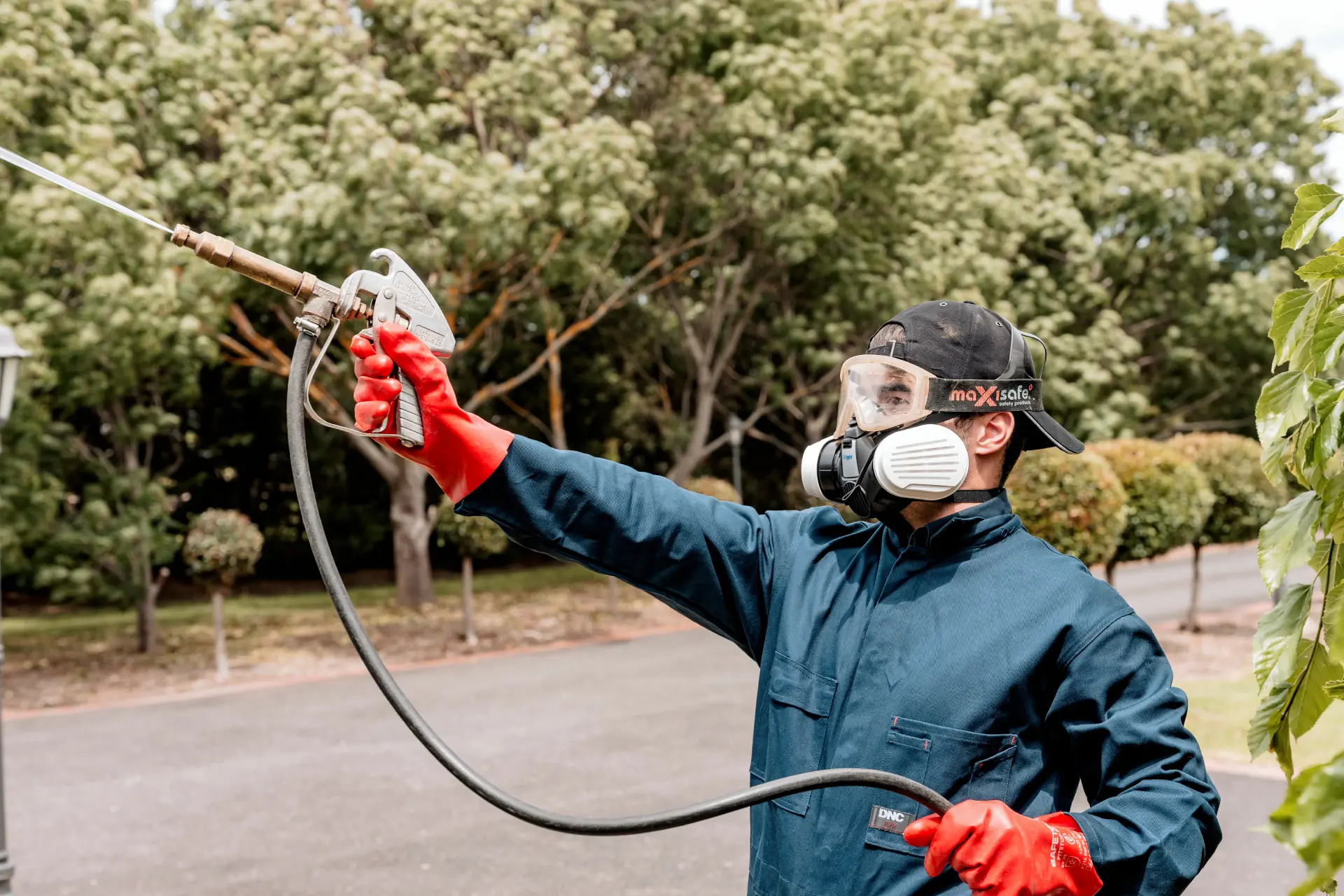
Why Melbourne Homes Trust Protech for Wood Borer Control
Protech Pest Control has operated across Melbourne since 2001, with more than 40 years of combined team experience in timber pest management. Our technicians are licensed, insured, and trained to handle the full range of borer species found in Australian residential and commercial properties.
- 40+ years of combined experience in timber pest management
- Licensed, insured, and AEPMA / NPMA accredited technicians
- Eco-friendly, registered products safe for children and pets
- Same-day service available across greater Melbourne
- 100% satisfaction guarantee
- Free no-obligation quotes
- Specialist division for building and pest inspections, reports, and treatment
Frequently Asked Questions
How can I tell if a wood borer infestation is active or old?
Active infestations leave fresh, light-coloured bore dust (frass) below exit holes and in tunnels. Old or inactive damage will have grey, compacted dust and holes that have darkened over time. A Protech technician can confirm activity during inspection — do not assume damage is inactive without a professional assessment.
Are wood borers as damaging as termites?
The two are different pests with different biology, but both can compromise structural timber. Longhorn borer larvae in particular can weaken roof timbers significantly over a long period. Wood borers work more slowly than termites, but they are often active for years before they are noticed.
What timber is most at risk?
It depends on the species. Powderpost beetles favour hardwood sapwood; furniture beetles and longhorn borers favour softwood. Sub-floor bearers, roof rafters, structural joists, and older floorboards are the most commonly affected timbers in Melbourne homes.
Can I treat wood borers myself?
Surface-applied products from hardware stores reach only the outermost layer of timber and do not kill larvae feeding deep inside. Professional treatment uses penetrating insecticides, boron-based solutions, or fumigation for a severe infestation, which reach the pest at every life stage throughout the timber.
How long does treatment take?
Most residential treatments are completed in a single inspection visit. Follow-up monitoring may be recommended for severe structural infestations or where multiple timber types are affected.
Are the treatments safe for children and pets?
Yes. Protech uses eco-friendly, registered products that are safe around children and pets once the treated area has dried or the technician gives the all-clear. Your technician will advise on any precautions before the treatment begins.
Client Testimonials
Teresa in the office was so helpful and efficient. The service given was very prompt and wonderful. Our family would recommend them again.
– Anthea GeorgiouLearn More About Pest Solutions
Same-day service, eco-friendly treatments and a pest-free guarantee. Domestic & commercial — all Melbourne suburbs.