
Termite Droppings and Frass
What termite frass looks like, why Melbourne's subterranean termites rarely leave any, and how to tell it apart from sawdust and borer dust.
Written by Muzi Tsolakis, Founder and Competency Assessor, Pest Management Victoria. Last reviewed 7 July 2026.
Frass is the term pest professionals use for termite droppings, and it is one of the signs homeowners search for when they suspect a problem. The reality is more nuanced than most articles let on, because whether you see frass at all depends entirely on the type of termite. Drywood termites push out neat piles of pellets that are easy to find once you know what to look for. The subterranean termites that threaten most Melbourne homes behave differently and rarely leave loose droppings at all, which is why the absence of frass is one of the most misread signs in termite detection. Here is how to read it properly.
What termite frass looks like
Drywood termite frass is distinctive once you have seen it. The pellets are tiny, around one millimetre long, six-sided with slightly rounded ends, and they range from pale cream through to dark brown depending on the timber the termites are eating. Because drywood termites live inside the timber and keep their galleries clean, they push the pellets out through small kick-out holes, so the frass gathers in small mounds directly below the infested wood, on a windowsill, skirting board or the floor beneath a beam.
A little pile of what looks like coarse, gritty sand or ground coffee under timber is the classic drywood sign. The Australian Museum's overview of termites covers how these wood-dwelling species differ from the soil-dwelling ones.
Why Melbourne's termites rarely leave frass
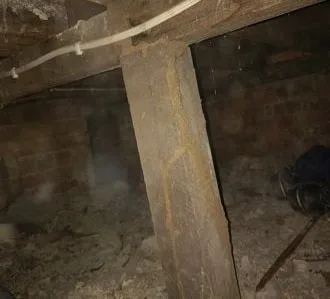
Melbourne's serious termite risk comes from subterranean species, and they handle their waste in a way that changes what you should be looking for. Subterranean termites mix their droppings with soil and saliva and use the paste as a building material, packing it into their galleries and forming the mud tubes they travel through above ground. Museums Victoria notes that the common subterranean termite moves through covered mud tunnels of exactly this kind.
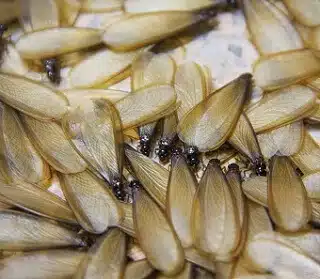
The practical consequence is important: with a subterranean infestation you will usually find mud where you might expect frass, so looking only for pellet piles can give false reassurance. The signs worth trusting are the mud tubes running up walls and stumps, timber that sounds hollow, and discarded wings after a swarm.
Frass, sawdust or borer dust?
It is easy to mistake other debris for termite frass, and the difference guides what you do next. Sawdust from drilling or a timber offcut is made of irregular shavings and splinters of varying size, with no consistent shape. Frass from timber borers, another common finding, is a very fine, flour-like powder without distinct pellets, and it sits below the round exit holes that wood-boring beetles leave.
Drywood termite frass sits between the two: uniform six-sided granules of even size, gritty to the touch. If you are unsure which you are looking at, collecting a small sample in a clear bag for a technician to examine is more useful than disturbing the timber it came from.
What to do if you find it
If you find frass, mud tubes or any droppings you think might be from termites, treat it the same way you would any suspected termite activity: leave it undisturbed and arrange an inspection. Resisting the urge to sweep it up, break open a tube or probe the timber genuinely helps, because an untouched site lets a technician confirm the species, judge how active the workings are and find where the termites are entering. Photograph it and keep a sample if you can, then keep the area clear until it can be assessed.
How an inspection turns a sign into an answer
A building and pest inspection is how a finding of frass or mud is turned into an answer. Our technicians identify whether the droppings are from termites, borers or something harmless, confirm the species, and map any active workings, then set out the treatment that suits the situation, whether that is a termite barrier or a baiting and monitoring system. If the inspection confirms termites, our guide on how to get rid of termites explains what treatment involves, and you can read about our full termite treatment service too. To have a suspected termite sign checked, call our Melbourne team on 03 9449 4244 or request a free quote.
Termite frass FAQs
What does termite frass look like?
Drywood termite frass is a small pile of uniform six-sided pellets about a millimetre long, gritty to the touch and coloured from cream to dark brown depending on the timber. It collects directly below the infested wood, having been pushed out through tiny kick-out holes. It is often mistaken for coarse sand or ground coffee.
Do subterranean termites leave droppings?
Not in the loose, visible way drywood termites do. Subterranean termites, the main risk to Melbourne homes, mix their droppings with soil and saliva and use the paste to build their mud tubes and pack their galleries, so you rarely find frass piles. Finding no frass does not mean there are no termites; look instead for mud tubes, hollow-sounding timber and discarded wings.
Is termite frass dangerous to health?
Termite frass is not considered a significant health hazard in the way rodent or cockroach droppings are, though the dust from any accumulated droppings can irritate the eyes, skin or airways of sensitive people, so it is sensible to avoid handling it and to wash your hands afterwards. The real concern with frass is what it signals: active termites damaging the building, which is worth acting on promptly.
How can I tell termite frass from sawdust?
Sawdust is made of irregular shavings and splinters of different sizes, while termite frass is uniform six-sided pellets of even size. Very fine, flour-like powder below small round holes usually comes from timber borers. If you are unsure, keep a small sample for a technician and leave the timber undisturbed.
What should I do if I find termite droppings?
Leave the area undisturbed, photograph it, keep a small sample if you can, and book a professional inspection. Sweeping it up, breaking open a mud tube or probing the timber can drive subterranean termites to relocate and makes the problem harder to find and treat. An inspection confirms whether it is termites and what treatment is needed.
Protecting Melbourne homes and businesses since 2001 — HACCP, AEPMA and NPMA accredited, rated 4.8★ from 411 Google reviews.



Learn More About Pest Solutions
Same-day service, eco-friendly treatments and a pest-free guarantee. Domestic & commercial — all Melbourne suburbs.