
How to Get Rid of Cockroaches
What actually works to clear cockroaches from a Melbourne home, what wastes your money, and the point where a supermarket product stops being enough.
Written by Muzi Tsolakis, Founder and Competency Assessor, Pest Management Victoria. Last reviewed 2 October 2026.
Cockroaches are one of the most common call-outs we attend across Melbourne, and they are also one of the pests people most often try to clear themselves before ringing us. Some of that home effort genuinely helps. The rest of it, supermarket foggers and bug bombs especially, tends to spread the problem around a house and cost money for no lasting result. This guide walks through what actually works, in the order it works best, and it is honest about the point where a supermarket product stops being enough.
Work out which cockroach you have
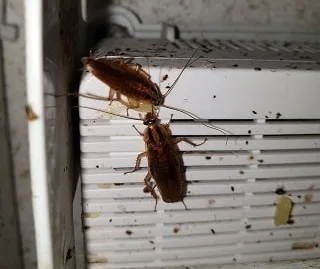
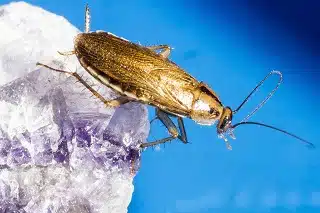
Getting rid of cockroaches starts with knowing which species you are up against, because the two groups behave very differently. The small tan cockroach with two dark stripes behind its head is the German cockroach, and it is the one behind most serious indoor infestations because it breeds indoors all year round. Larger cockroaches around 30 to 40 millimetres, reddish-brown or very dark, are usually American or Australian cockroaches, and these tend to come in from drains, subfloors, roof voids and garden mulch.
Museums Victoria has clear identification detail for the German cockroach, the species we treat most in homes and food premises. If you can photograph one, that single step tells you whether you are dealing with a breeding population inside the building or occasional visitors from outside. Our full German cockroach guide covers the identification in more depth.
Take away what they are living on
Whichever species it is, cockroaches settle where there is food, moisture and a warm place to hide, so the first real move is to make the kitchen and bathroom far less welcoming. Wipe down benches and the stovetop each night so there is no grease or crumbs left out, store dry goods and pet food in sealed containers, and empty the bin regularly. Fix any dripping taps and dry out the sink and shower recess before bed, because a cockroach can live on the film of water around a drain. Clear away the cardboard, paper bags and stacked boxes under the sink, since these make ideal harbourage.
None of this kills an established colony on its own, though it removes the conditions that let a small problem build into a large one, and it makes every other step work better.
Use gel bait properly
For light, early activity, a quality cockroach gel bait is the most useful thing a homeowner can buy. The way it works is the part people get wrong: a cockroach feeds on the gel, returns to its harbourage, and the active ingredient passes on to others through its droppings and, once it dies, its body. Placement decides whether it works. Put small dabs of gel exactly where cockroaches shelter and travel, in the hinges of cupboards, behind and under the fridge, around the dishwasher housing and along the backs of drawers, and keep it out of the open.
Avoid spraying surface insecticide over the same area, because a repellent spray drives cockroaches away from the bait and undoes it. Give it one to two weeks. Used patiently on a minor problem, gel baiting alone can clear it.
Where home products run out
There is a clear point where supermarket products stop being enough, and it is worth recognising early so you are not throwing money at it for months. An established German cockroach infestation lives deep inside wall cavities, appliance motors and the voids under kitchen units, where store-bought sprays and a few bait stations never reach the bulk of the population. These insects also breed quickly, so any survivors rebuild the numbers within weeks.
Once you are seeing cockroaches during the day, or finding droppings that look like coarse ground pepper along skirting boards and inside drawers, the colony has already outgrown its hiding spots. At that stage the reliable fix is a professional treatment that reaches the harbourage directly and includes an insect growth regulator to stop the young reaching breeding age.
Retail foggers and bug bombs are worth singling out. They scatter a colony into neighbouring rooms and wall cavities and leave the breeding population untouched, so they usually make the job harder. The professional fogging a technician carries out is a different application: the equipment drives product into the voids the population is actually living in, and it runs alongside gel bait and an insect growth regulator, and all three do different work.
If you have reached the point where this guide is no longer enough, our cockroach control in Melbourne page sets out the inspection, the treatment methods by species and what it costs.
How Protech clears cockroaches
Our cockroach control begins with an inspection to map where the colony is sheltering and feeding, because that is what a general spray can never account for. We place a targeted professional gel bait at those harbourage points and apply an insect growth regulator so the population cannot rebuild itself, then add a crack-and-crevice treatment and a follow-up visit on heavier or commercial jobs. Most homes show a clear drop within one to two weeks, and the colony collapses over the following few weeks as the bait reaches the insects we cannot see.
For cafes, restaurants and food premises, where a cockroach sighting can threaten a health rating, we treat it as a priority and work around your trading hours; our commercial pest control covers that side of the work across Melbourne.
Keeping them from coming back
Once the treatment has done its job, a few habits keep cockroaches from re-establishing. Keep the nightly wipe-down going, store food and pet biscuits sealed, deal with leaks and damp quickly, and screen any drains and vents that open into the kitchen or laundry. If you buy second-hand appliances or receive a lot of cardboard deliveries, check and flatten the packaging outside, since that is one of the most common ways German cockroaches arrive in the first place.
For a stubborn or recurring problem, or if you simply want it dealt with quickly, call our Melbourne team on 03 9449 4244 or request a free quote. If you want the detail on the products and methods that actually kill cockroaches, our companion guide on how to kill cockroaches goes deeper.
Cockroach FAQs
Does a cockroach problem mean my home is dirty?
No. Cockroaches are drawn to warmth, moisture and any available food, and even a spotless home offers all three around the kitchen and bathroom. German cockroaches are usually carried in on cardboard, groceries or second-hand appliances, and in units they move through shared walls and plumbing. Good hygiene makes a home less suitable and slows a problem down, and it is not a sign of fault when they appear.
Do retail cockroach bombs and foggers work?
The retail ones rarely solve an infestation. A supermarket fogger or bug bomb releases insecticide into the open air of a room, which cockroaches largely avoid by staying inside wall voids and cupboards, and the disturbance can push the colony into neighbouring rooms. You are usually left with the same breeding population spread over a wider area. This is a different thing from the professional fogging a technician uses, which is applied with equipment that drives product into the voids where the population is living and is combined with gel bait and an insect growth regulator.
How long does it take to get rid of cockroaches?
A minor problem treated with gel bait often clears within one to two weeks. A professional treatment of an established German cockroach infestation shows a clear drop in the first one to two weeks, and the colony collapses over the following few weeks as the bait works through the hidden insects. Heavier or commercial jobs usually need a follow-up visit to finish.
Are cockroaches a health risk?
Yes. As they travel across drains, bins and food surfaces they pick up and spread bacteria such as Salmonella, and their droppings and shed skins are a well-documented trigger for asthma and allergies, with children most affected. Victoria's Better Health Channel links heavy cockroach activity in the home to these effects, which is why an active infestation is worth treating promptly.
Is bait or spray better for cockroaches?
For indoor cockroach control, bait does the heavy lifting. A gel bait is carried back into the harbourage and passed through the colony, reaching insects you never see, while a surface spray only affects the cockroaches that happen to cross a treated area and can repel them away from the bait. Professionals combine a targeted bait with a growth regulator and use crack-and-crevice work where needed.
Protecting Melbourne homes and businesses since 2001 — HACCP, AEPMA and NPMA accredited, rated 4.8★ from 411 Google reviews.



Learn More About Pest Solutions
Same-day service, eco-friendly treatments and a pest-free guarantee. Domestic & commercial — all Melbourne suburbs.