

How to Prevent Termites in Your Melbourne Home
The moisture, timber and inspection habits that keep subterranean termites away, and the professional protection that backs them up.
Written by Muzi Tsolakis, Founder and Competency Assessor, Pest Management Victoria. Last reviewed 7 July 2026.
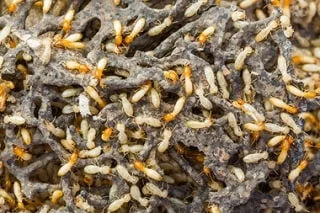
Subterranean termites, still known around Melbourne as white ants, are the most destructive pest a local home can face, and they do their work silently behind paint and plaster for months before anyone notices. The Victorian Department of Health attributes more than 80 per cent of termite damage to buildings in Victoria to Coptotermes species, the genus most active across our suburbs. The good news is that prevention is realistic once you understand what termites need, and a few sensible habits combined with professional protection will keep your home off their menu.
Why Melbourne homes are at risk
Termites need two things to thrive: moisture and timber. The Australian termite-management standard AS 3660 designates much of southern Australia as a moderate-to-high termite-hazard zone, and Melbourne's older timber-framed housing stock sits squarely inside that risk. The clay-based soils common across the northern and south-eastern suburbs hold moisture near the slab through the year, which gives foraging workers the damp soil-to-timber pathways they depend on even in a dry summer. Understanding those two needs, moisture and timber, is the key to everything you can do to prevent an infestation.
Keep the soil around your home dry
Moisture is the single factor you have the most control over, and reducing it makes your home far less appealing. Repair dripping taps, leaking hot-water overflows and any plumbing that keeps the ground damp against the house. Direct air-conditioner condensate and downpipes well away from the slab, and make sure the ground slopes so rainwater drains away from the foundations rather than pooling beside them.
A well-ventilated subfloor is one of the strongest defences an older Melbourne home has, because it dries out the damp, still air that termites and timber decay both rely on. If your subfloor feels humid or smells musty, our subfloor ventilation work clears that moisture and takes away the conditions termites look for.
Break the contact between timber and soil
Any timber that touches the ground gives termites a sheltered bridge straight from the soil into the structure. Store firewood, offcuts and building materials off the ground and away from the walls, ideally on a raised rack well clear of the house. Keep garden beds, mulch and soil below the level of the weep holes in your brickwork, and never let a raised bed or a stack of pavers bury them, because those small gaps are how a technician spots activity early.
Old tree stumps, buried formwork left over from construction, and timber retaining walls against the house are all common starting points we find on Melbourne jobs. Removing a dead stump and clearing away discarded timber takes away the food and shelter a colony would otherwise use as a staging post.
The two professional layers that protect a home
Household habits lower the risk, and a professional termite management system is what completes the protection, because subterranean termites forage underground where no garden measure can reach. The first layer is a management system installed to AS 3660: a chemical soil barrier or an in-ground baiting and monitoring program, matched to your soil and building. You can read how each approach works on our pages for termite treatment, termite barriers and termite baiting and monitoring.
The second layer is a routine timber-pest inspection. CSIRO's guidance on managing termites and the AS 3660 standard both build their advice around regular inspection, because even a good barrier needs checking. Our building and pest inspection uses moisture meters and radar-based detection to find activity behind plaster and under floors long before any surface sign appears.
If you think you already have termites
Leave the area completely undisturbed. Breaking open a mud lead or spraying the termites you can see only drives the colony to abandon that spot and re-route its foraging into another part of the building, which spreads the damage into timber you cannot see and makes the job harder to treat. The right response is to call a licensed technician who can identify the species and locate the colony before anything is touched.
Prevention protects the largest investment most families own, and it costs a fraction of a structural repair. If you would like your home assessed, or a management system and inspection schedule set up, call our Melbourne team on 03 9449 4244 or request a free quote.
Termite prevention FAQs
How often should I have a termite inspection in Melbourne?
A professional timber-pest inspection at least once a year is the standard advice, and it underpins the inspection regime set out in the Australian termite-management standard AS 3660. Homes on higher-risk sites, such as those on damp clay soils or with a history of activity nearby, are worth inspecting more often. An annual check finds a problem while it is still small and cheap to deal with.
Can I prevent termites myself?
You can do a great deal to make your home less inviting by keeping the soil around it dry, breaking any contact between timber and the ground, and clearing away stored wood and old stumps. These habits genuinely lower the risk. Complete protection also needs a professional termite management system installed to AS 3660 and a yearly inspection, because subterranean termites forage underground where no household measure can reach them.
Do termite barriers stop termites completely?
A chemical or physical barrier installed to AS 3660 is designed to deter termites from reaching your timber or to force them into the open where an inspection will find them. It works as one layer of protection alongside regular inspections, and the two together are the dependable approach. No single measure removes the need to keep checking, which is why a barrier and an annual inspection are paired.
Are termites covered by home insurance?
Standard home and contents policies almost universally exclude termite damage, treating it as a preventable maintenance issue. That means the full cost of repair falls on the homeowner, and it is the main reason prevention and early detection are worth the effort. Check the wording of your own policy so you know where you stand.
What attracts termites to a house?
Subterranean termites need moisture and a source of cellulose, which is the fibre in timber. A house becomes attractive when it offers damp soil against the slab from a leaking tap, poor drainage or a blocked subfloor, together with timber that touches the ground, such as stacked firewood, garden sleepers against the wall, or an old stump left in the yard.
Protecting Melbourne homes and businesses since 2001 — HACCP, AEPMA and NPMA accredited, rated 4.8★ from 411 Google reviews.


Sources and further reading
- Victorian Department of Health — Pest control: termites
- Standards Australia — Australia's termite management standard (AS 3660) revised
- CSIRO — Managing Termites (research guide)
- Museums Victoria Collections — Coptotermes acinaciformis (Subterranean Termite)
- Australian Environmental Pest Managers Association (AEPMA)
Learn More About Pest Solutions
Same-day service, eco-friendly treatments and a pest-free guarantee. Domestic & commercial — all Melbourne suburbs.