

Mosquito Bite Relief: Why Bites Itch and How to Stop It
The reason a bite itches, what actually relieves it, and how to cut the mosquitoes around your home.
Written by Muzi Tsolakis, Founder and Competency Assessor, Pest Management Victoria. Last reviewed 7 July 2026.
A single mosquito bite can turn a warm Melbourne evening into an itchy, sleepless one, and the harder you scratch the worse it seems to get. Understanding what is actually happening under the skin makes the itch easier to treat and easier to resist, and it points to the one change that stops the bites coming in the first place.
Why you get bitten, and why it itches
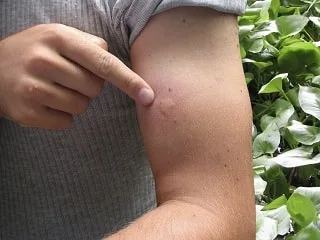
Only female mosquitoes bite, because they need a blood meal to develop their eggs; males feed on nectar and plant sugars. The Australian Museum records around 350 mosquito species across Australia, and it is the female's feeding that leaves the familiar welt. When she pierces the skin she injects saliva that keeps your blood flowing while she drinks, and your immune system responds to proteins in that saliva by releasing histamine. As healthdirect explains, histamine is the substance your body releases in an allergic response, and it is what makes the blood vessels widen and the skin swell into an itchy bump. The itch is your body's reaction, so the bite itself is only the trigger.
Why scratching makes it worse
Scratching feels like relief for a moment, and it quietly prolongs the problem. Rubbing the bite triggers the release of more histamine into the area, which deepens the itch, and it can break the skin and open the door to a secondary infection. The Better Health Channel advises keeping bites clean and resisting the urge to scratch, and keeping children's nails short helps them do the same.
What actually relieves a bite
A few simple steps calm the reaction without any of the folk remedies that circulate online. Apply a cold pack to numb the area and bring down the swelling, and wash the bite with soap and water. An antihistamine, taken as a tablet or dabbed on as a cream, targets the histamine directly, and healthdirect notes that antihistamines can decrease the itch from insect bites and are available at a pharmacy without a prescription. A calamine lotion soothes the skin as well.
The single most useful thing you can do is leave the bite alone. With the itch calmed and the scratching resisted, most bites settle within a day or two.
When a bite needs a doctor
Most bites are a minor nuisance, and a few situations call for medical advice. See a doctor if a bite becomes infected, with spreading redness, warmth, pus or fever, or if you have a large local reaction. It is also worth knowing that several mosquito-borne viruses circulate in Victoria: the Better Health Channel describes illnesses such as Ross River virus, with symptoms including fever, joint pain, rash and fatigue that can appear days to weeks after an infected bite. If those symptoms develop, see your doctor and mention the mosquito exposure. A severe allergic reaction with difficulty breathing is an emergency; call 000.
The real fix: fewer mosquitoes to bite you
Treating bites is worth knowing, and stopping them is better. Mosquitoes need standing water to breed, and the backyard problems our technicians are called to almost always trace back to a water source close to the house that has been overlooked for a week or two. Tip out pot-plant saucers, bird baths, tarps and buckets at least weekly, clear blocked gutters, and screen or cover rainwater tanks. Cover up at dawn and dusk when they are most active, and use a repellent on exposed skin.
Where mosquito pressure stays high through summer, our mosquito control treats the breeding sites and shaded resting areas that keep the numbers up. To have your property assessed, call our Melbourne team on 03 9449 4244 or request a free quote.
Mosquito bite FAQs
Why do mosquito bites itch?
When a female mosquito feeds she injects a little saliva to keep your blood flowing while she drinks. Your immune system reacts to proteins in that saliva by releasing histamine, and it is the histamine that produces the raised, red, itchy welt, not the bite itself. This is also why antihistamines help, since they block the very substance causing the reaction.
What is the fastest way to stop a mosquito bite itching?
Apply a cold pack to numb the area and reduce swelling, wash the bite with soap and water, and use an antihistamine cream or tablet or a calamine lotion to calm the reaction. The hardest and most important step is to avoid scratching, because scratching releases more histamine and can break the skin and cause infection.
Why do some people get bitten more than others?
Mosquitoes locate people by sensing body warmth, the carbon dioxide we breathe out, and certain chemicals on the skin, so in the same backyard one person can be bitten far more than another standing beside them. You cannot change your body chemistry, but you can reduce your exposure with repellent, covering up at dawn and dusk, and cutting down the mosquitoes breeding nearby.
When should I see a doctor about a mosquito bite?
See a doctor if a bite shows signs of infection such as spreading redness, warmth, pus or fever, if you have a large or severe local reaction, or if you develop symptoms like fever, joint pain, rash or fatigue in the days and weeks after being bitten, since several mosquito-borne viruses circulate in Victoria. A severe allergic reaction with breathing difficulty is a medical emergency; call 000.
How do I stop getting bitten in my own backyard?
The lasting fix is to remove the standing water mosquitoes breed in, because most backyard problems trace back to a water source close to the house. Tip out pot-plant saucers, bird baths and anything holding water at least weekly, clear blocked gutters, and cover water tanks. Where mosquito pressure stays high, a professional treatment of breeding sites and resting areas brings the numbers down.
Protecting Melbourne homes and businesses since 2001 — HACCP, AEPMA and NPMA accredited, rated 4.8★ from 405 Google reviews.


Learn More About Pest Solutions
Same-day service, eco-friendly treatments and a pest-free guarantee. Domestic & commercial — all Melbourne suburbs.