
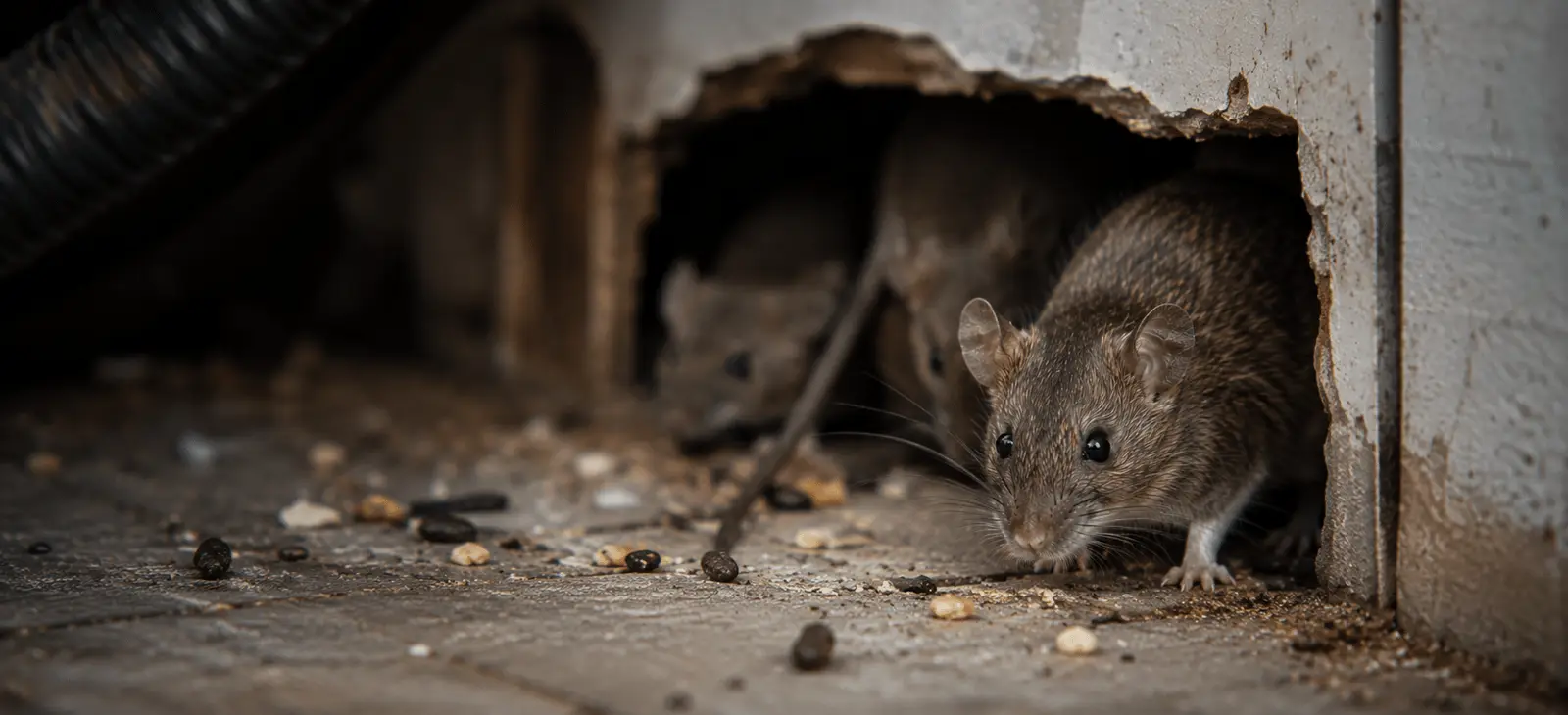
Rat & Mouse Control Melbourne
Effective rat & mouse control across Melbourne — licensed professionals, same-day service, six-month guarantee on full treatments.
Rodent Control Melbourne
As much as cartoons like Mickey Mouse and Tom & Jerry make us like mice, they are not a pretty sight to find in your home. From rummaging through your kitchen cabinets, stealing food to nesting and defecating all over your home, they are more of a nuisance than a delight.
If you’re dealing with an infestation, professional rodent control Melbourne services are essential to effectively eliminate rodents and protect your property, health, and reputation.
At Protech Pest Control, we provide reliable rodent control in Melbourne, including specialised rat control and mice control services for both residential and commercial properties. We have treated rodent problems across Melbourne since 2001, hold HACCP, NPMA and AEPMA accreditation, and carry a 4.8★ rating from 411 Google reviews. Call 03 9449 4244 today.
Our Six-Month Rat and Mouse Guarantee
Every full internal and external rodent treatment carries a six-month guarantee. If rodents return within that period, we come back and re-treat the affected areas at no charge, with no call-out fee for the return visit.
Station-only servicing runs on its own servicing terms and carries no re-treatment warranty, which your technician explains before you book. The guarantee period goes on your paperwork at the time of booking, and the full schedule of guarantee terms across all our treatments is published on our guarantee page.
Rodent Species
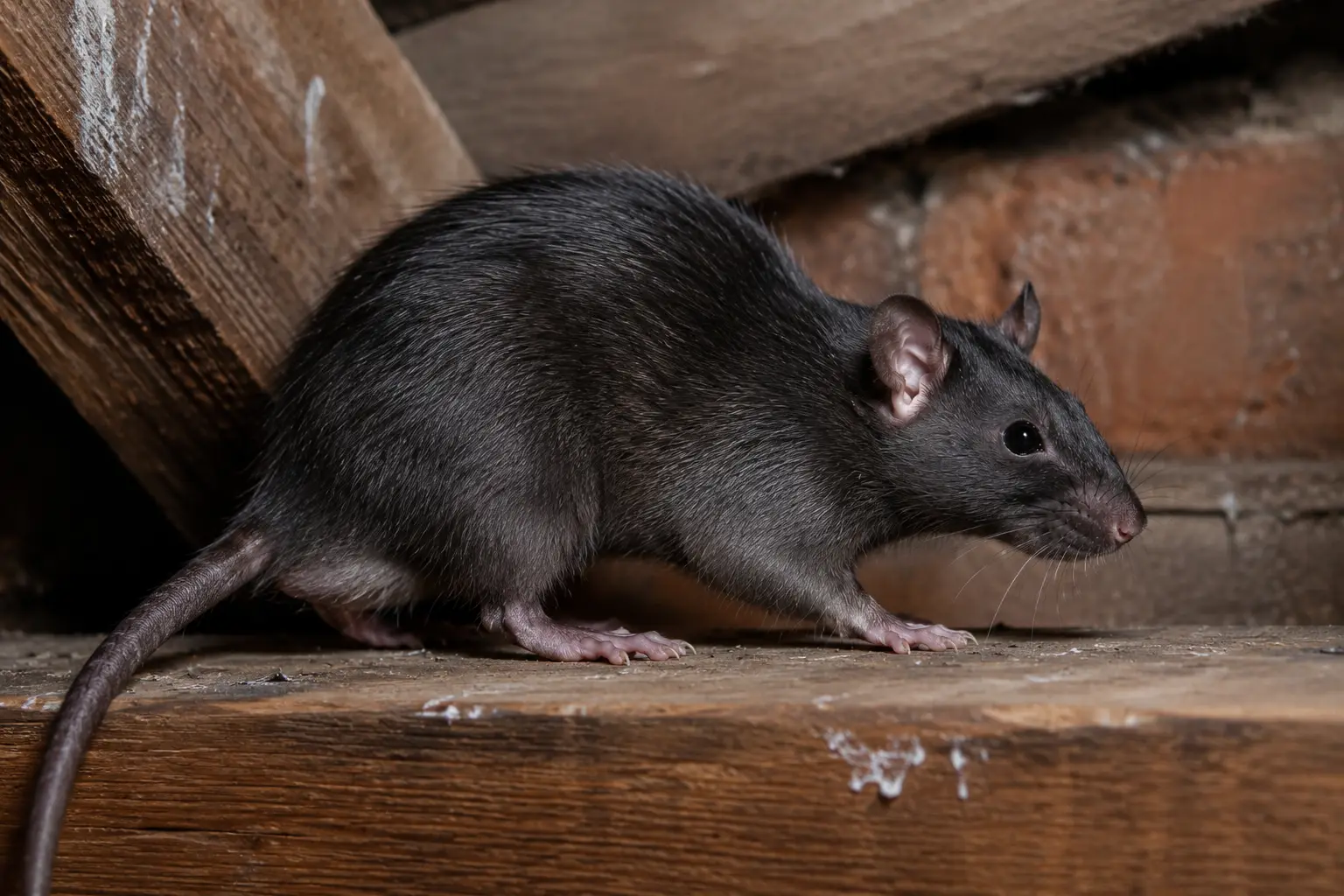
Roof Rat (Black Rat)
Scientific Name: Rattus rattus
Physical Characteristics: Slender body • Long tail (longer than body) • Large ears and pointed nose • Black, dark brown or grey colouring • Excellent climbers
Behaviour: Roof rats are commonly found in roof voids and ceilings, around trees and overhead structures, inside warehouses and commercial buildings, and in wall cavities. They are highly agile and can climb cables, pipes and trees to access buildings.
Diet: Fruit, grains, pet food, nuts, food waste, bird food
Damage Caused: Chewing electrical wiring, damaging insulation, contaminating food products, nesting inside ceilings and walls, fire risks from damaged cabling
Health Risks: Salmonella, Leptospirosis, rat mites and fleas, bacteria through urine and droppings
What this means for treatment: Because roof rats feed and travel up high, the bait and monitoring points that work on them sit in the roof void, along eave lines and in wall cavities rather than at ground level. Our roof rat identification guide covers the signs and biology in more detail.
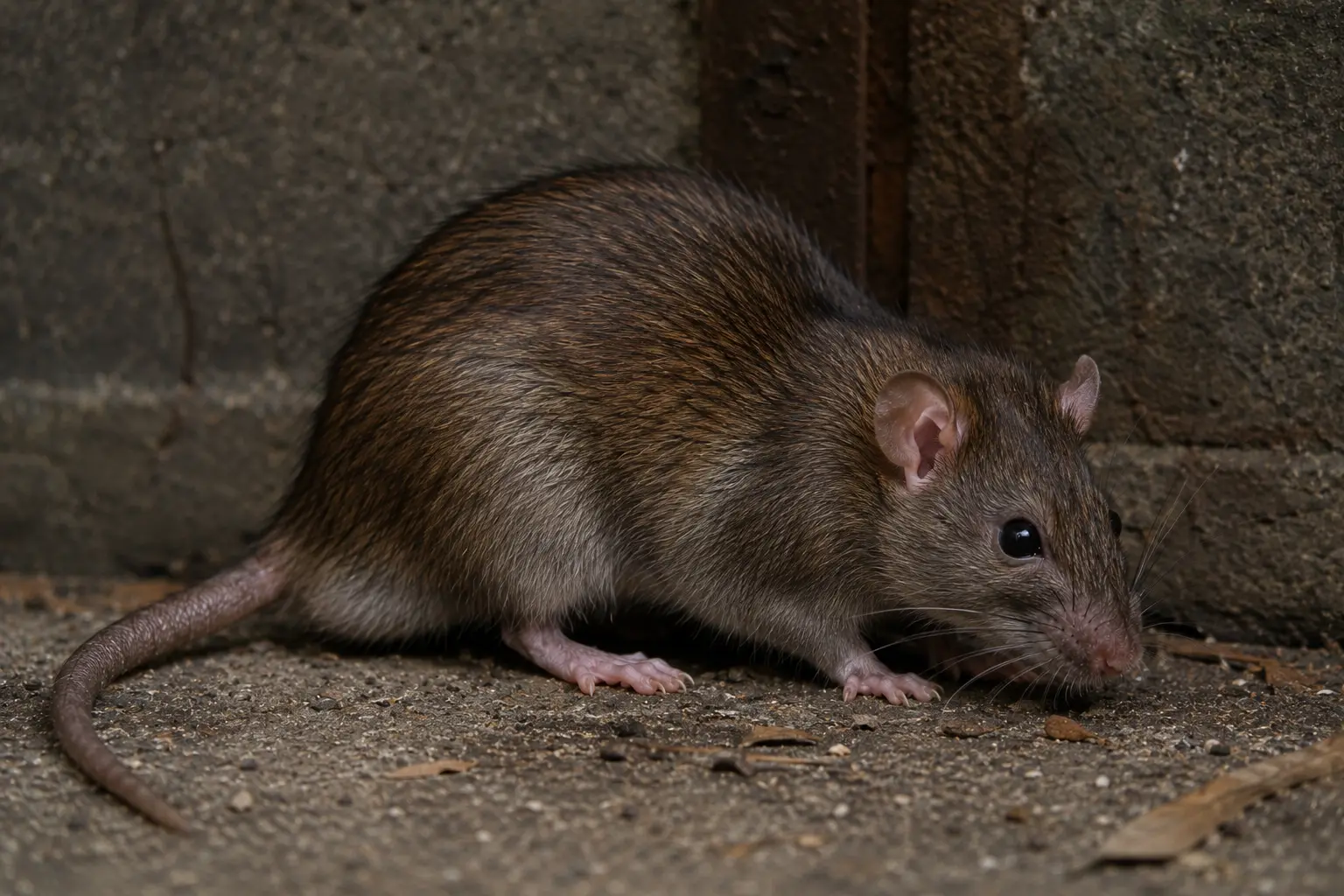
Norway Rat (Brown Rat)
Scientific Name: Rattus norvegicus
Physical Characteristics: Larger and heavier body • Shorter tail • Small ears • Brown or grey colouring • Strong burrowing ability
Behaviour: Norway rats are commonly found around drains and sewer systems, beneath concrete slabs, under buildings, in factories and loading docks, and around rubbish areas. They prefer lower levels and ground access points.
Diet: Meat scraps, grains, food waste, stored products, pet food
Damage Caused: Burrowing beneath slabs and structures, damaging stock and packaging, chewing pipes and cables, contaminating food preparation areas
Health Risks: Salmonella, E. Coli, Leptospirosis, Hantavirus-related illnesses, parasites and bacteria
What this means for treatment: Norway rats stay low, so control focuses on burrows, the subfloor, drains, and ground-level runways along walls and skirting. They are also strongly neophobic, which is why a professional programme places bait carefully and gives it time rather than expecting an overnight result.
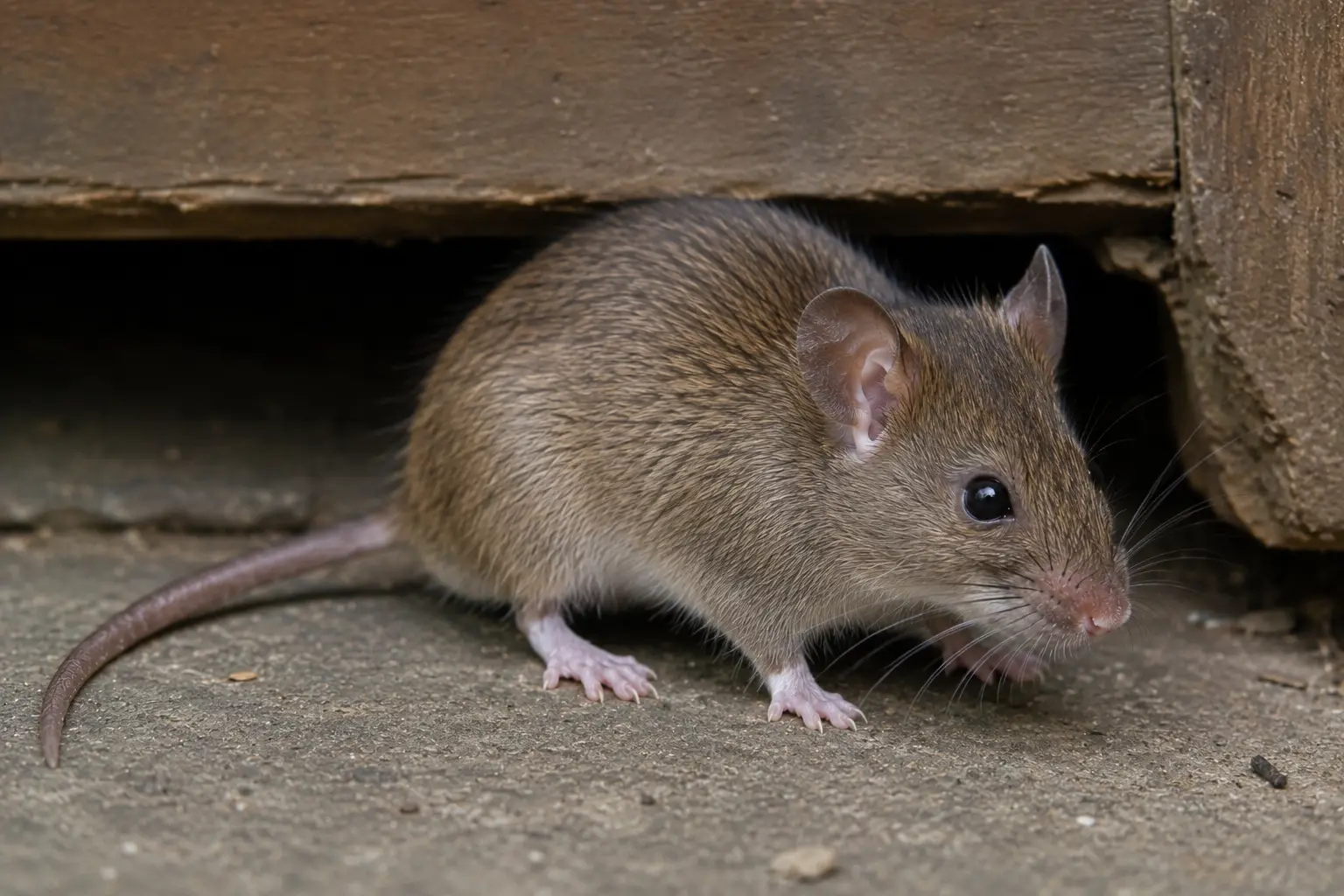
House Mouse
Scientific Name: Mus musculus
Physical Characteristics: Small body size • Large ears • Pointed snout • Light brown or grey colouring • Thin tail
Behaviour: House mice are extremely common throughout Melbourne and can enter buildings through gaps as small as 6 mm. Common nesting areas include kitchen cabinetry, roof voids, storage rooms, wall cavities, and electrical cupboards.
Diet: Cereals, grains, dry foods, crumbs, pet food
Damage Caused: Chewing packaging and wiring, food contamination, damage to stored goods, rapid breeding infestations
Health Risks: Salmonella, bacteria through urine and droppings, allergens, parasites
What this means for treatment: Mice are curious rather than wary, so they will investigate new objects quickly, but they also range over a small area and feed at many points. That means a mouse programme uses more bait and monitoring stations spaced closer together than a rat job. Our house mouse identification guide explains how to tell a mouse from a young rat and why their numbers build so fast.
Signs of Rodent Activity
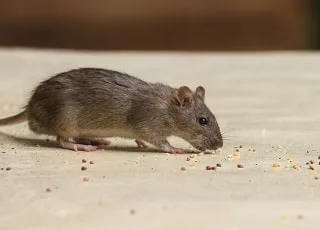
Droppings
The first sign of an infestation is the droppings of the mouse. You can easily find mouse droppings in your cupboards and along walls. Our guide to identifying rat and mouse droppings shows what to look for. A mouse dropping is 3–5 mm long, it is smooth and has pointed ends. Rat droppings are black, shiny and the length varies from 12–18 mm.
Grease Marks Along Walls
Rub marks are greasy smear marks that are created against the wall or surface by the mouse while it is travelling from one place to another. These become darker with time and can indicate well-used pathways.
Urine Trails
Since they have a weak bladder, they often leave urine trails that are hard to spot without proper lighting. A male mouse uses urine to mark territories.
Burrows
While conducting an inspection of your home, check your building’s waterway, the fences, under wood or garbage piles and near garden edges for any burrow holes — these are typically 6–9 cm wide.
Scratching Noises in Walls or Ceilings
Mice make sounds when they are gnawing, squeaking, scratching, or scurrying around your house. These noises are more obvious at night when the house is quiet.
Nesting Materials and Damaged Food Packaging
Mice usually build their nests from cardboard, shredded paper, rags, or newspaper near warm and hidden areas. Torn packaging or disturbed dry goods in your pantry are a clear sign of rodent activity.
Strong Odours
If there is a mice infestation, there probably is a musky or pungent odour that will linger around your home.
Gnaw Marks on Cables or Packaging
Since this pest’s teeth continuously grow, they gnaw on plastic or wood items to trim the length, resulting in gnaw marks on cables, furniture, and packaging.
Unusual Pet Behaviour
If you frequently notice your pet clawing at a wall or closet, or if your pet is acting strange by sniffing around in certain areas, this could be a sign of rodent activity behind walls or under floors.
Why Rodents Are a Serious Problem
Rodents cause real damage and carry genuine health risks. They can:
- Spread harmful bacteria and disease
- Damage electrical systems
- Create fire hazards
- Contaminate food and stock
- Impact HACCP compliance
- Damage insulation and structures
- Affect tenant and customer satisfaction
- Harm business reputation
Rodent Breeding & Population Growth
Rodents reproduce extremely quickly — early intervention is critical to prevent infestations from escalating.
- Breed year-round in Melbourne conditions
- Multiple litters annually
- Populations can rapidly escalate if untreated
- Can breed from 6 weeks of age
- Up to 10 litters per year, 5–10 young per litter
The Health Risks Rats and Mice Carry
Rats and mice spread disease through their droppings, urine, and the parasites they carry, and they contaminate far more food than they actually eat. The illnesses linked to rodents in Australia include:
- Salmonellosis: Food poisoning caused by Salmonella bacteria spread through rodent droppings onto food and preparation surfaces.
- Leptospirosis (Weil’s disease): A bacterial infection passed in rodent urine that can affect the liver and kidneys in severe cases.
- Rat-bite fever: A bacterial illness transmitted through a bite or scratch, or through food and water contaminated by rodents.
- Lymphocytic choriomeningitis (LCMV): A viral infection carried by house mice, spread through their droppings and urine.
- Allergens and asthma triggers: Rodent hair, droppings, and dried urine become airborne and can aggravate asthma and allergies, particularly in children.
- Parasites they bring in: Rats and mice carry fleas, mites, and ticks into a home, which then bite people and pets.
Anyone who has handled droppings or nesting material and feels unwell afterwards should speak to a doctor or ring healthdirect for advice. The safe course is to leave the clean-up of a heavy infestation to technicians who use the right protection.
Fire and Structural Damage
A rodent’s front teeth never stop growing, so it gnaws constantly to keep them worn down. Electrical cabling is a frequent target. Stripped or chewed wiring in a roof void or wall cavity is a genuine fire risk, and it is one of the reasons an untreated infestation is worth taking seriously rather than waiting out. Beyond wiring, rodents chew water pipes, shred insulation for nesting, and burrow under slabs and paving, which over time can undermine parts of a building and lead to repair bills well beyond the cost of treatment.
Difference Between a Mouse and a Rat
The quickest way to tell them apart is size and proportion. A rat is much larger, with a body roughly as long as its tail, while a mouse is small with a tail that runs longer than its body and ears that look oversized for its little head. The feet and tail thickness give away a young rat that might otherwise be taken for a mouse, since a juvenile rat has noticeably bigger feet and a thicker tail.
The droppings settle it too. Mouse droppings are small dark grains around 3 to 5 mm long with pointed ends and are scattered widely, whereas rat droppings run several times larger at 12 to 18 mm. Behaviour differs as well: rats are neophobic and stay wary of new objects for days, while mice are curious and will investigate something new almost straight away. Rats tend to nest close to a reliable food and water source, and mice choose a spot based on warmth and safety.
Mice Prevention Tips
- Keep the House Clean: Vacuum regularly and remove food crumbs and leftovers. A clean home reduces the chances of attracting rodents.
- Fix Your Roofs: As they are known for their good climbing skills, they can easily climb your pipes or vegetation branches and access your roof. Seal any gaps or holes in the roofline, eaves, and fascia.
- Store Food Properly: Keep dry goods in sealed containers. Remove pet food bowls overnight.
- Declutter: Remove cardboard, old newspaper, and piles of material that provide nesting sites.
Lastly, even after following these prevention steps, if you notice that you might have a rodent infestation, then you can call us for professional rodent control services. If the rodents return, so do we — for free!
When Rodents Are Most Active in Melbourne
Rodent call-outs across Melbourne follow the weather. As the first cold snaps of autumn arrive, rats and mice look for somewhere warm and dry to shelter, and a heated home with food in the pantry is an obvious choice. This is why the scratching in the ceiling that nobody noticed in March turns into a real problem by June or July. Mice in particular can surge in late summer and early autumn after a good breeding season in surrounding paddocks and gardens, then move indoors as the nights cool.
Rodents breed year-round in Melbourne’s conditions, so an infestation that establishes over winter does not simply disappear in spring. The practical takeaway is to act on the early signs rather than waiting for the season to turn, because a small autumn problem is far quicker and cheaper to resolve than an established winter colony.
Why Baits From the Hardware Store Often Fail
Most people reach for a box of supermarket bait or a few snap traps first, and for a single mouse that occasionally works. For an established infestation it rarely does, and understanding why is the difference between clearing the problem and feeding it.
Rats are wary of anything new
Rats are neophobic, which means they avoid unfamiliar objects in their territory for days before they will approach them. A trap or bait station dropped in the wrong spot gets ignored while the population keeps breeding. A technician reads the runways, grease marks, and droppings to place bait where rodents already travel, then gives it time to be accepted.
Single-feed baits carry a secondary-poisoning risk
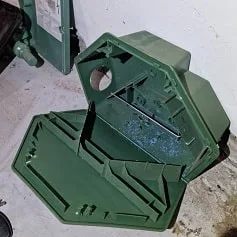
Fast-acting single-dose baits kill quickly, but a rodent that dies in the open, or a pet or bird of prey that eats a poisoned rodent, is exposed to the same chemical. Protech generally uses multiple-dose baits in tamper-resistant, lockable stations. The rodent feeds over several days before the bait takes effect, which lowers the risk to pets, children, and non-target wildlife. All products we use are registered with the Australian Pesticides and Veterinary Medicines Authority.
Baiting alone never seals the door
Even a bait programme that clears the current rodents does nothing about the gaps they came in through. Without proofing those entry points, the next generation simply moves in. Lasting control needs baiting and exclusion together, which is the core reason a professional job outlasts a DIY one.
Effective Rodent Removal Methods
Sanitisation & Exclusion
Since food, shelter, and water are the 3 main factors that make your home the perfect place to nest, it is important to target all these 3 factors to keep the rodents away. Sanitise often and eliminate any water and food source, as well as any hideout places by getting rid of clutter, garbage, and sealing up entry points and cracks.
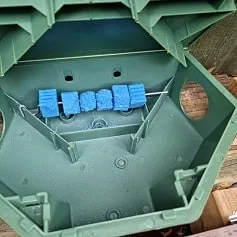
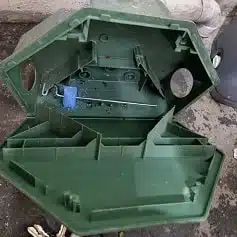
Trapping
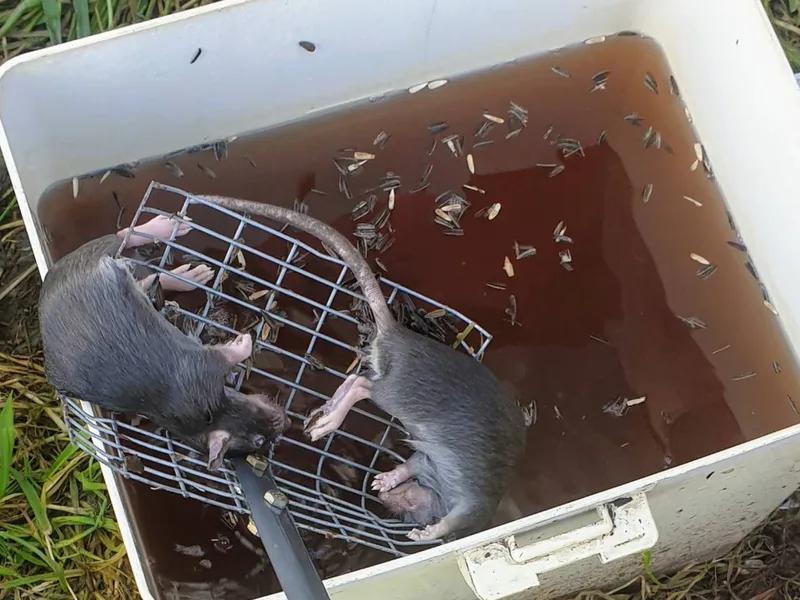
Multi-mouse traps, snap traps, and glue traps are all options you could use if you can’t use pesticides or chemical substances in the premises. Although these traps cost less compared to a pest control service, they do however require much more time and effort.
Rodenticides
Rodenticide is the most common way to eliminate pests in Melbourne. You could either kill the pest using a single dose or through multiple doses. The single dose is much stronger and kills the rodent at once as soon as it is consumed. Multiple dose rodenticides require the rodent to feed over several days before it becomes lethal — this approach is generally considered safer around non-target species.
The Protech Rodent Control Method
Our approach is built around integrated pest management, which means we treat the rodents present and remove the conditions that let them in, so the result holds. Every job runs through the same four stages.
- 1. Inspection: A licensed technician inspects the home and its surrounds, reads the signs of activity, identifies the species involved, and maps the entry points, runways, and harbourage areas. Correct identification drives every decision that follows, because a roof rat, a Norway rat, and a house mouse each call for different bait placement.
- 2. Customised treatment plan: Based on the inspection, we design a strategy suited to the property type, the level of infestation, and the setting — residential, commercial, or HACCP-sensitive food and healthcare environments.
- 3. Treatment and proofing: We deploy the right combination of tamper-resistant bait stations, trapping, and rodenticide, then seal the gaps rodents are using so the next generation cannot follow. Baiting and exclusion together are what separate a lasting result from a temporary one.
- 4. Follow-up and warranty: We return to check the stations and confirm activity has stopped, and every treatment is backed by our service warranty. If the rodents return within the warranty period, so do we, at no charge.
Mouse Control and Rat Control Across Melbourne
The same four stages cover mouse control and rat control alike. Correct identification comes first, because a house mouse, a roof rat and a Norway rat each call for different bait placement, and the treatment plan follows what the inspection finds at your property. Whether the job is mice removal from a kitchen or rat control in a roof void, one licensed technician handles it from inspection to follow-up, anywhere in metropolitan Melbourne.
How a Mouse Job Differs From a Rat Job
Mice change the mechanics of a treatment in ways worth understanding, because they are the reason a program set up for rats can under-perform against mice. Where rats are wary of anything new, mice are curious and investigate new objects quickly, so traps and stations are accepted faster. Working against that, a mouse feeds in a completely different pattern — dozens of small nibbles a night at many points rather than a few solid feeds — and it lives in a far smaller territory, often just a few metres around a nest tucked within reach of the food. A mouse program therefore uses more placement points at closer spacing, concentrated tightly around the kitchen, pantry and appliance voids the inspection identifies, where a rat program follows longer runways through the roof and subfloor.
Proofing runs to a finer standard as well. A mouse can pass through a gap of about six millimetres — the width of a pencil — which is roughly half what a rat needs, so mouse exclusion means sealing the smaller gaps around pipe penetrations, kickboards, door sweeps and cabinet voids that a rat-focused proofing pass can reasonably leave. It is also why mice so often turn up in homes that have never had a rat: the building was tight enough to keep rats out all along. Melbourne's mice pressure peaks from late summer into autumn, when a good outdoor breeding season meets the first cool nights, and that is the window when a small kitchen problem is cheapest to stop.
Rodent problems escalate quickly, so we offer same-day and next-day appointments across Melbourne, with genuine 24/7 availability for urgent situations. If you have found signs of activity, call us on 03 9449 4244 or request a free quote and we’ll get a technician out to you.
Rat Removal, Mice Removal and Rodent Removal in Melbourne
People describe this work in several ways when they call us, and the words carry slightly different expectations. It is worth setting out what each one means in practice, because the answer changes what we quote and what you should expect to see happen at the property.
Rat removal and rat control
A request for rat removal usually means the household wants the animals gone from the building, and quickly. That is the same job we describe as rat control: inspection to identify the species and map the runways, tamper-resistant bait stations and traps placed on those runways, then proofing of the gaps the rats have been using. Where a rat is trapped we take the carcass away with us. Rats that take bait die away from the station, most often in the roof void or a wall cavity, and the odour clears on its own within a week or two as the body dries out. We place stations to draw rodents towards accessible areas for exactly that reason. If an odour is strong or persists, tell us at the follow-up and we will investigate.
Rat removal across Melbourne covers roof rats in ceiling spaces, Norway rats in subfloors, drains and commercial basements, and the boundary pressure that keeps restocking a property from a laneway, a reserve, a rail corridor or a neighbouring food premises. Proofing is the half of the job that decides whether the result lasts, because a building left open simply receives the next animal along the same route.
Mice removal, mice control and pest control for mice
Mice removal and mice control are the same program run at a finer scale. More placement points at closer spacing, concentrated around the kitchen, pantry and appliance voids, and proofing down to about six millimetres, far finer than a rat needs. Pest control for mice in a Melbourne home is most often a kitchen and laundry job, and the pressure peaks from late summer into autumn when an outdoor breeding season meets the first cool nights. Mice pest control on a commercial site runs on the same principles with documented stations and service records.
Odour with no live activity
We also attend properties where the only symptom is an odour and there is no sign of live activity. The inspection establishes whether a rodent has died in a roof void, subfloor, wall cavity or ducting, how the animal got in, and whether others are using the same route. What can be done about the carcass itself depends entirely on where it is and whether it can be reached, so we will tell you what is possible at the property before quoting anything.
Is a rodent exterminator the same thing?
Plenty of people search for a rat exterminator, a mouse exterminator or a rodent exterminator, and in Melbourne that describes a licensed pest control technician doing the work set out above. Protech technicians are licensed in Victoria and all products we use are registered with the APVMA. Extermination of the animals currently in the building is the first half of what you are paying for; sealing the building so the population cannot be replaced is the half that keeps the problem solved, and both are included in the price we quote.
Whichever words you use when you call, the starting price is the same: rat and mouse treatment starts from $154 ex GST for a standard job, with the final figure confirmed before we begin. See our full pest control price list for the rest.
What to Expect After Treatment
Professional baiting is not instant, and knowing the timeline helps you judge whether a treatment is working. Once a rodent starts feeding on a multiple-dose bait, it usually takes between four and ten days for the bait to take effect, and occasionally up to a fortnight. You may still hear or see the odd rodent in the first few days while the population feeds and the bait is accepted, which is normal rather than a sign the treatment has failed.
For most homes, activity has dropped away noticeably within two weeks and the infestation is resolved inside two to four weeks, depending on how established it was. A rodent that dies in a wall or roof cavity can produce a short-lived odour as it dries out, which passes on its own. If you are still seeing clear signs of activity after the expected window, that is exactly what the follow-up visit is for, and it is covered by the warranty.
Renting? Who Pays for Rodent Control
This is one of the most common questions we field from Melbourne tenants and landlords, and the answer depends on what is letting the rodents in. Where the problem stems from the condition of the property — openings around pipework and vents, gaps in the structure, a damaged subfloor, or an infestation already present at the start of the tenancy — it is generally the rental provider’s responsibility to put right as part of keeping the property in good repair. A number of other factors also bring rats and mice indoors, and in Melbourne the cooler months are the biggest of them: once the weather turns, rodents move inside looking for warmth, food and shelter in properties that are perfectly well maintained. Working out where they are getting in, and why, is the part that settles who is responsible.
Our practical advice is to report the problem to the rental provider or agent in writing as soon as you notice it, so there is a record and the issue can be dealt with before it grows. For the current rules, Consumer Affairs Victoria publishes guidance on repairs and maintenance in rental properties. We work with owners, agents, and tenants across Melbourne and can provide the documentation a managed property needs.
Why Choose Protech Pest Control for Rodent Control in Melbourne?
Eliminating the rats or mice you can see is only part of the solution. At Protech Pest Control, we focus on identifying and addressing the root cause of the infestation to deliver lasting results, and we have been doing it across Melbourne since 2001.
We Solve the Root Cause of the Infestation
Many rodent treatments only provide short-term relief. At Protech Pest Control, we investigate entry points, nesting areas, rodent travel paths, food and water sources, and structural vulnerabilities — targeting the source of the infestation to help reduce the likelihood of recurrence.
Experienced Melbourne Rodent Specialists
Our technicians have extensive experience managing roof rats, Norway rats, house mice, commercial rodent infestations, large-scale warehouse rodent programs, residential rodent problems, and HACCP-sensitive environments.
Fast Response Times Across Melbourne
Rodent issues can escalate quickly. Our team responds promptly to scratching in ceilings, rodent sightings, food contamination concerns, and urgent commercial issues to minimise disruption and damage.
HACCP-Compliant Rodent Management
For food and healthcare environments, compliance matters. Protech Pest Control provides detailed reporting, site maps, monitoring systems, tamper-proof bait stations, routine servicing, and HACCP-compliant documentation.
Rodent Proofing & Exclusion
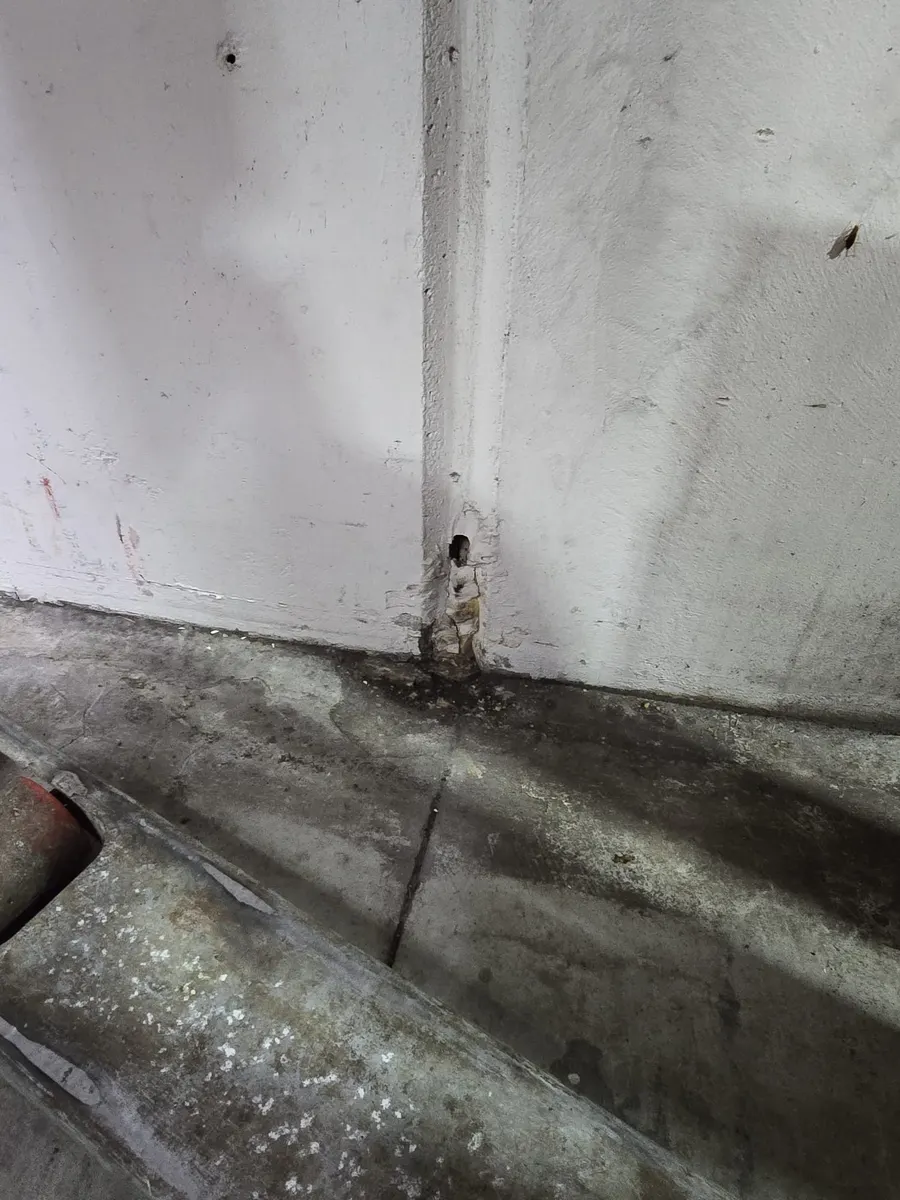
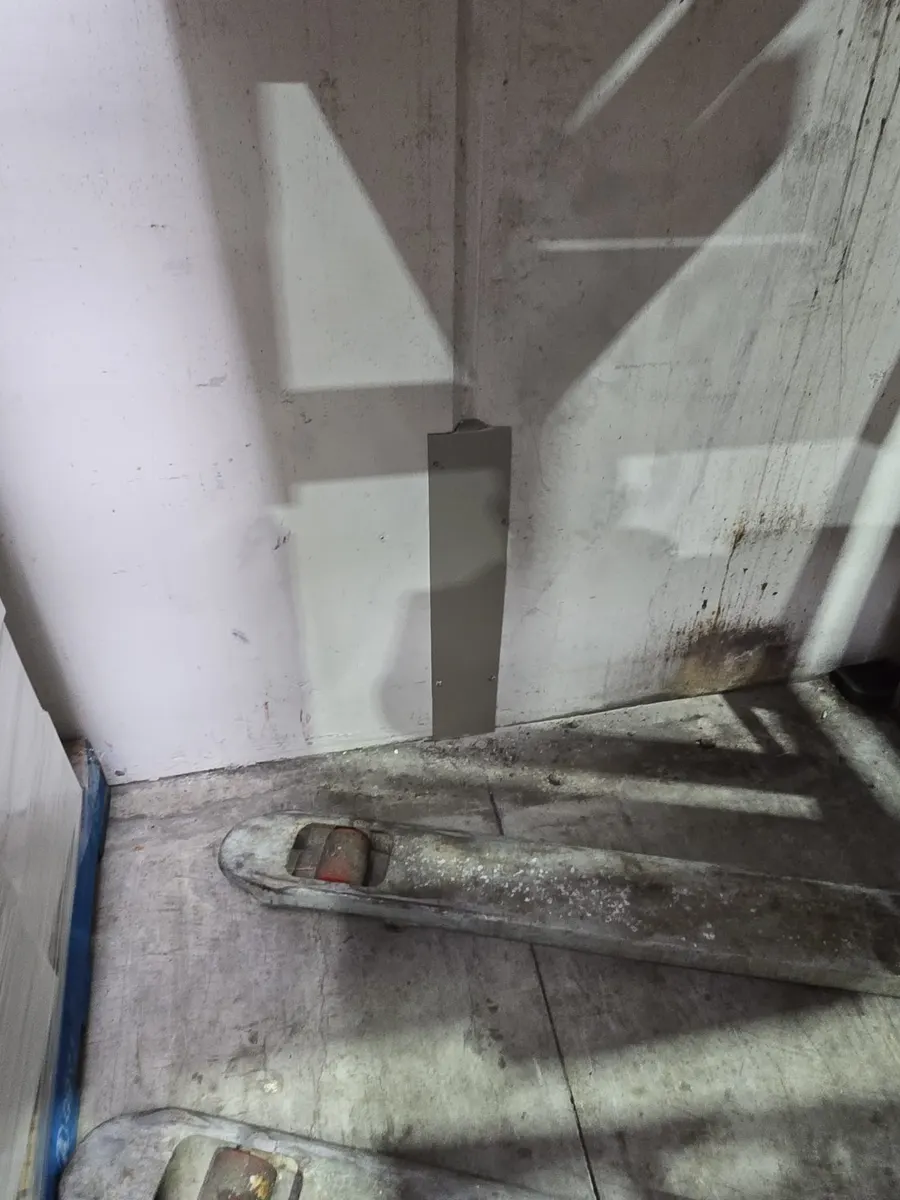
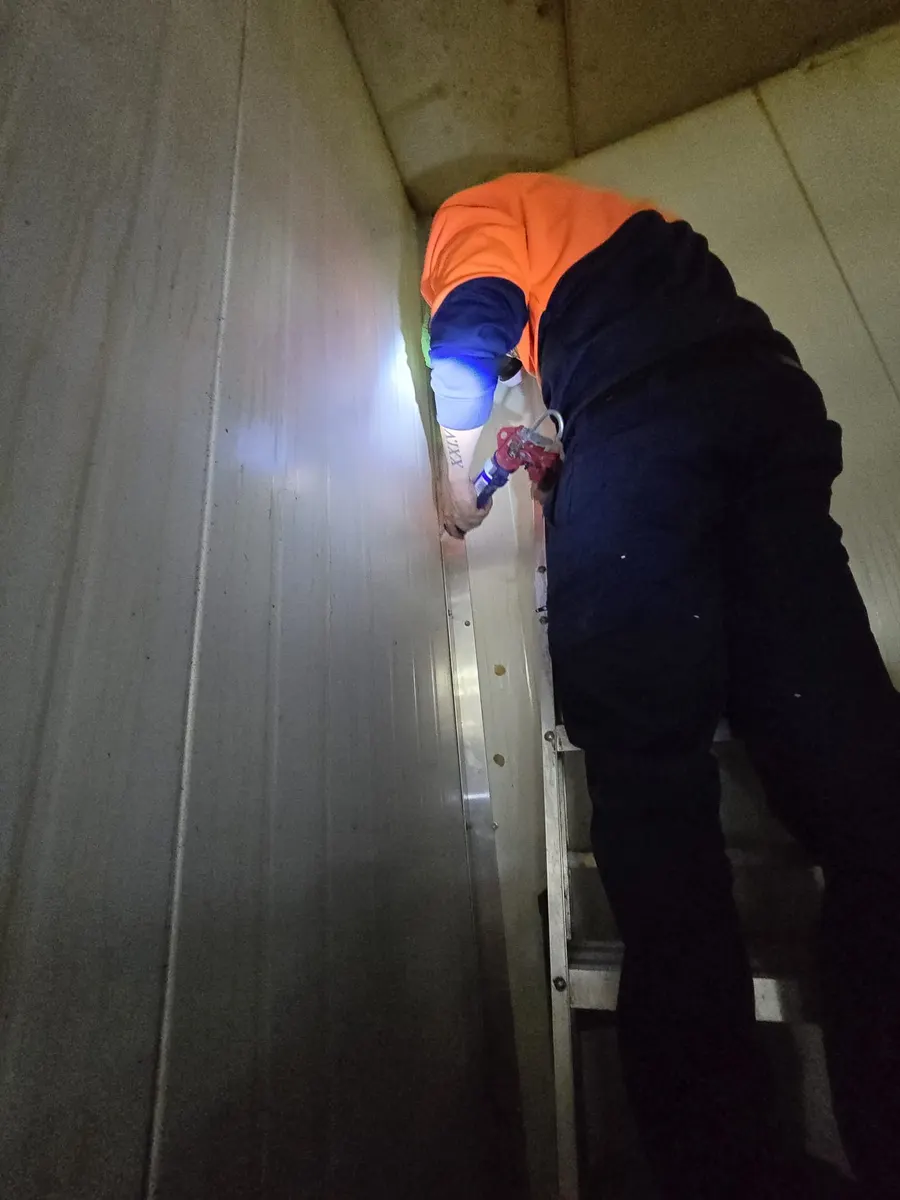
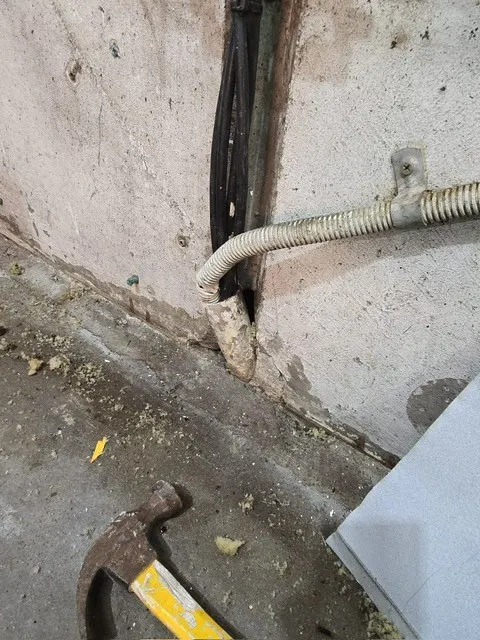
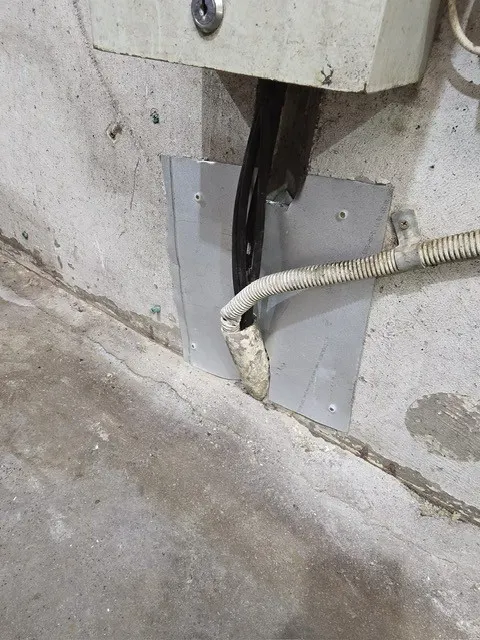
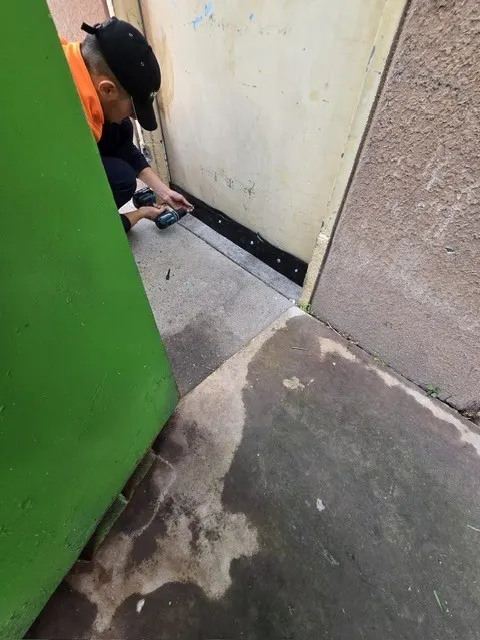
Controlling rodents without proofing entry points often leads to ongoing infestations. A mouse can squeeze through a gap around 6 mm, roughly the width of a pencil, and a rat through about 12 mm, so proofing has to be thorough to work. We seal gaps and service penetrations, screen weep holes and vents, fit door brush strips and sweeps, and address drain and pipe access, along with warehouse and factory proofing for commercial sites. Where a rodent problem overlaps with a property purchase or a suspected timber issue, our building and pest inspection covers the whole picture.
Safe & Professional Treatments
We use professional-grade rodent management solutions designed to reduce health risks, protect occupants, minimise disruption, and deliver effective long-term control. All works are carried out by trained and licensed technicians.
Protect Your Property. Protect Your Reputation. Whether you’re dealing with rats in the roof, mice in a warehouse, or ongoing rodent activity onsite, Protech Pest Control has the experience, tools, and commitment to help. What’s more? If the rodents return, so do we — for free!
What Rat and Mouse Control Costs in Melbourne
Rat and mouse treatments with Protech start from $154 for a full internal and external treatment. The final figure depends on the size of the property, how established the infestation is, and how much proofing work the building needs to keep the next generation out. We give you a fixed price after the inspection and before any work starts, so the number you agree to is the number you pay. Our full price list is published on our pest control prices in Melbourne page, alongside every other treatment we offer.
What the price includes
Every full internal and external treatment carries the six-month guarantee set out above, at no extra cost. The guarantee period goes on your paperwork at the time of booking, and the full schedule of guarantee terms across all our treatments is published on our guarantee page.
Frequently Asked Questions
Do you do mouse pest control as well as rat control?
Yes — mouse control and rat control run through the same four-stage program of inspection, treatment plan, baiting and proofing, and follow-up, and the inspection decides which one you actually have. A mouse job uses more bait points at closer spacing around the kitchen and appliance voids, and proofing to a finer standard, because a mouse fits through a gap of about six millimetres. One licensed technician handles the job end to end anywhere in metropolitan Melbourne, and the treatment carries our pest-free warranty either way.
When are rats and mice most active in Melbourne?
Rodents move indoors as the weather cools, so call-outs peak through autumn and winter when rats and mice seek warmth, shelter, and food. Mice can surge in late summer after a good breeding season outdoors. They are nocturnal by nature, but a large infestation will often send them out during the day to look for food, which is usually a sign the population has grown.
How long does it take to get rid of rodents?
Once a rodent starts feeding on a professional multiple-dose bait, it usually takes four to ten days to take effect, and occasionally up to a fortnight. For most homes, activity drops away within two weeks and the infestation is resolved inside two to four weeks, depending on how established it was. You may still see the odd rodent in the first few days, which is normal while the bait is being accepted.
Why do I still see rodents after baiting?
Seeing a rodent in the first few days after treatment is expected, because they feed over several days before the bait takes effect and rats are cautious about new bait until they accept it. If clear activity continues past the expected window, that is what the follow-up visit is for, and it is covered by our warranty. Ongoing activity long after treatment usually means there are still open entry points that need proofing.
Do ultrasonic and electronic rodent repellers work?
There is little reliable evidence that plug-in ultrasonic repellers clear an established rat or mouse infestation. Rodents tend to adjust to the sound, and the devices do nothing about the food, shelter, and entry points drawing them in. Proper control still comes down to inspection, targeted baiting or trapping, and sealing the gaps they use.
Will a cat keep rats and mice away?
A cat may catch the occasional mouse and its presence can deter a few rodents, but a cat will not clear an established infestation living in a roof void or wall cavity, and rats in particular are often too large and wary. Rodents also breed far faster than a cat can hunt, so a cat is not a substitute for treatment.
What is the difference between a rat, a mouse, and a possum in my roof?
It is a common Melbourne mix-up. Mice and rats are small, gnaw constantly, leave droppings, and are active through the night with quick scratching and scurrying sounds. A possum is much larger, makes heavier thumping and dragging noises across the ceiling, and is a protected native animal that must be handled differently. If you are unsure what is above the ceiling, our technician can identify it during the inspection.
Are the baits safe around children and pets?
We use professional multiple-dose baits placed in tamper-resistant, lockable stations so children and pets cannot reach the bait, and all products are registered with the APVMA. The multiple-dose approach also reduces the risk to pets and wildlife compared with fast single-feed baits. Your technician will point out station locations and any brief precautions.
Can I get rid of rodents myself?
For a single mouse, a few well-placed traps sometimes do the job. For an established infestation, DIY efforts usually fall short because rats avoid unfamiliar traps, supermarket baits are often placed in the wrong spots, and nothing seals the entry points the rodents came in through. Professional treatment combines correct placement with proofing, which is why it lasts.
How do you keep rodents out for good?
Lasting control combines clearing the current rodents with proofing the building. That means sealing gaps and service penetrations, screening vents and weep holes, fitting door sweeps, storing dry goods and pet food in sealed containers, and removing clutter and food sources. Our treatment includes proofing advice and works so the next generation cannot simply move back in.
Is there a bad smell after a rodent dies?
A rodent that dies inside a wall or roof cavity can produce a short-lived odour as it dries out, usually clearing on its own within a week or two. Using bait stations placed to draw rodents toward accessible areas helps reduce this. If an odour is strong or persistent, let us know at the follow-up and we can investigate.
How much does rodent control cost in Melbourne?
Rat and mouse treatment starts from $154 ex GST for a standard job. The final figure depends on the property size, how established the infestation is, and whether a commercial site needs an ongoing documented program. Quotes are free and we confirm the price before any work begins, with no hidden charges added afterwards. Call 03 9449 4244 or request a quote.
Are you rat exterminators, or is that a different service?
It is the same service. A rat exterminator in Melbourne is a licensed pest control technician, and that is what we are — licensed in Victoria, using products registered with the APVMA. The work covers clearing the rats currently in the building and sealing the gaps they used, because extermination on its own leaves the property open to the next animal along the same route.
Do you do mouse extermination as well as rat extermination?
Yes. Mouse extermination runs on the same four stages with a finer setup: more bait and trap points at closer spacing around the kitchen, pantry and appliance voids, and proofing down to about six millimetres, which is roughly half the gap a rat needs. The inspection tells us which species you actually have before anything is placed.
Is rodent removal the same as rodent control?
In practice, yes. Rodent removal describes the outcome most people want — the animals gone from the building — and rodent control describes the program that gets there: inspection, baiting and trapping on the runways, proofing the entry points, then a follow-up to confirm activity has stopped. Trapped rodents are taken away with us; rodents that take bait die away from the station, which is why station placement and the follow-up visit are both part of the job.
There is a smell but no sign of live rodents — can you help?
Yes, we attend properties where an odour is the only symptom. The inspection establishes whether a rodent has died in the roof void, subfloor, wall cavity or ducting, how it got in, and whether others are using the same route. What can be done about the carcass depends on where it is and whether it can be reached, so your technician will tell you what is possible at the property before anything is quoted.
Do you offer same-day rodent treatment?
Yes. Rodent problems escalate quickly, so we offer same-day and next-day appointments across Melbourne, with genuine 24/7 availability for urgent situations such as a commercial food site or an active infestation in a family home.
Client Testimonials
Cannot recommend Protech highly enough. They come quickly — especially if you have a problem. Have two different methods for treating rats/mice problems. The staff are lovely and a pleasure to deal with. And the warranty on the service is hard to beat.
– Rose MaryProtech is a service first company that addressed our rodent issue promptly and effectively. The experienced and friendly technician identified where the rodents were entering our home and applied treatment. This service is value for money and I would highly recommend Protech to anyone.
– Lee McSweeneyLearn More About Pest Solutions
Same-day service, eco-friendly treatments and a pest-free guarantee. Domestic & commercial — all Melbourne suburbs.